
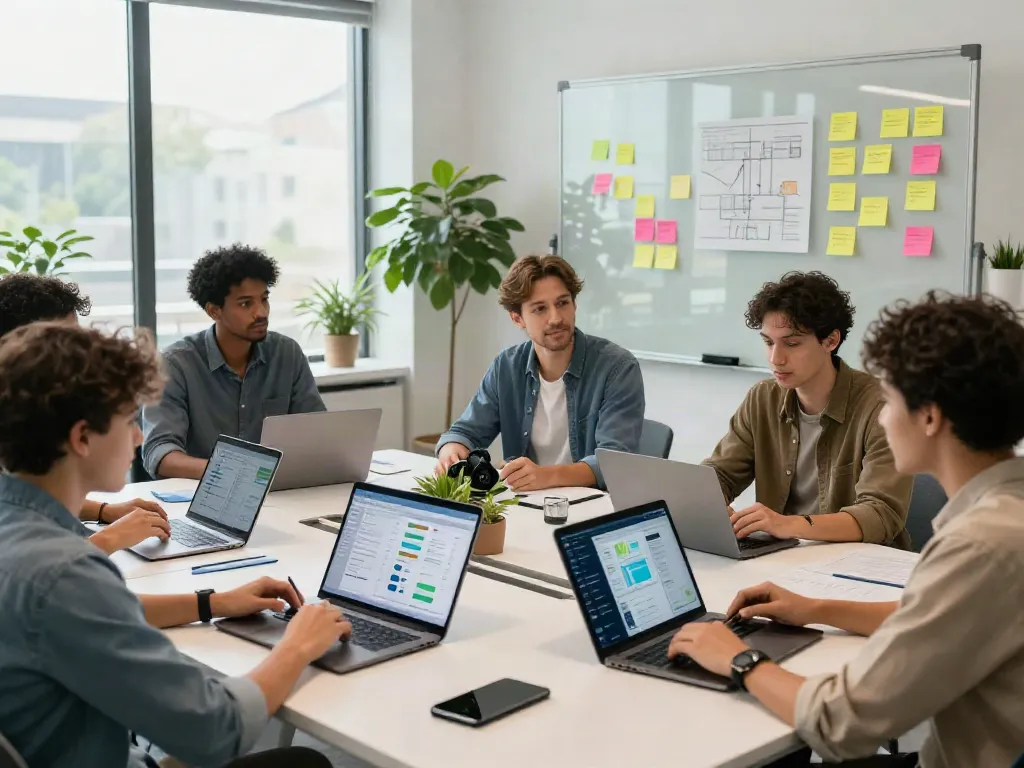
Understanding the Concept of "Like This" in Creative Collaboration
The phrase "like this" has transcended its informal roots, evolving into a vital expression in creative collaboration. It encapsulates the notion of seeking affirmation, clarification, or inspiration in teamwork. As we navigate through the complexities of modern work environments, the essence of "like this" serves as a bridge, fostering connections and encouraging open dialogue among team members. This concept is especially relevant today, as companies strive to enhance collaboration practices to boost productivity and innovation. When exploring options, like this provides comprehensive insights into effective collaboration strategies.
Defining "Like This" and Its Relevance Today
At its core, "like this" represents an agreement or an expression of understanding within a collaborative context. It has become the shorthand for articulating preferences, ideas, or feedback in a way that resonates with team members. In today’s digital era, where remote work and virtual teamwork are prevalent, communicating effectively means adopting language that reflects clarity and intent. "Like this" serves as a versatile term that can help in refining project objectives and aligning expectations among stakeholders.
Common Misconceptions about Creative Collaboration
Despite its growing significance, several misconceptions cloud the understanding of creative collaboration. One of the most pervasive myths is that collaboration hampers individual creativity. In fact, the opposite is true; collaboration often amplifies creativity by pooling diverse perspectives. Another misunderstanding is the assumption that effective collaboration can happen spontaneously. However, intentional strategies and tools are essential for fostering an environment where ideas can flourish. As we unravel these misconceptions, it becomes clear that “like this” can guide teams towards discovering robust collaborative frameworks.
The Impact of "Like This" on Team Dynamics
The integration of “like this” into team dynamics significantly enhances interpersonal relationships and communication styles. A culture that embraces affirmative phrasing encourages openness, allowing team members to express their thoughts without fear of negative judgment.When staff feel free to share ideas, ask questions, or seek clarification using phrases like “like this,” it leads to more profound discussions and the development of innovative solutions. Consequently, this fosters a sense of belonging and mutual respect, which is fundamental for any successful collaborative effort.
Tools and Technologies That Facilitate "Like This" Collaboration
Essential Software for Effective Team Communication
In the age of technology, various software solutions are at the disposal of teams aiming to improve their collaborative efforts. Tools such as Slack, Microsoft Teams, and Zoom have revolutionized how teams communicate, making real-time discussions and feedback more accessible. These platforms enable teams to share thoughts using constructs similar to “like this” effectively. By incorporating emojis, reactions, and threads, team members can engage in nuanced conversations that foster a collaborative spirit, streamlining project outcomes.
Utilizing Cloud-Based Platforms for Project Management
Cloud-based platforms, such as Trello, Asana, and Monday.com, are instrumental in managing collaborative projects. These tools allow team members to visualize tasks, deadlines, and responsibilities, minimizing miscommunication and enhancing transparency.Utilizing a project management tool enables teams to standardize their collaborative language, often using “like this” as a reference point for completed tasks, objectives achieved, or ideas to develop further. This fosters accountability and clarity across project timelines.
Innovative Tools for Visual Collaboration and Design
Visual collaboration tools such as Miro, Figma, and Adobe XD empower teams to brainstorm and develop design concepts collectively. These platforms facilitate real-time collaboration, allowing team members to visualize their ideas and provide immediate feedback through annotations or comments.In a design-centric environment, phrases like “like this” can be pivotal in guiding team members on what works aesthetically or functionally, influencing the direction of creative projects.
Best Practices for Implementing "Like This" Strategies
Creating an Inclusive Collaborative Environment
An inclusive collaborative environment is the bedrock of successful teamwork. It’s essential to create spaces where all voices can be heard, and diverse perspectives are valued. Encouraging team members to use phrases like “like this” in discussions can help cultivate a culture of acceptance and understanding.Conducting brainstorming sessions where ideas can be shared freely ensures that every member feels empowered to contribute. This can lead to more innovative solutions that benefit the entire organization.
Ensuring Feedback and Iteration Are Part of the Process
Regular feedback cycles and iterative processes enhance collaboration by allowing teams to refine ideas gradually. Using “like this” during feedback sessions encourages a constructive dialogue about what resonates or requires adjustment.Establishing a clear feedback protocol helps team members understand how to provide and receive feedback effectively, fostering a culture of continuous improvement and collaborative success.
Scheduling Regular Check-Ins to Align Goals
Regular check-ins are vital for keeping teams aligned and on track. Scheduling weekly or bi-weekly meetings provides a platform for team members to discuss progress and clarify objectives.During these meetings, using “like this” can assist in summarizing discussions or redirecting focus when needed. This practice ensures that everyone is on the same page, improving overall productivity and engagement.
Real-World Examples of Successful "Like This" Collaborations
Case Study: Notable Companies Using Collaborative Strategies
Many leading organizations have leveraged collaborative strategies to drive innovation and success. For instance, Google employs cross-functional teams to foster collaboration across various departments. Their culture encourages feedback and iterative processes, allowing team members to express their ideas openly with phrases like “like this,” contributing to Google’s dynamic work environment.
How Startups Leverage "Like This" for Rapid Growth
Startups often thrive on collaboration to navigate uncertainty and achieve rapid growth. Companies such as Slack and Buffer exemplify this by developing open cultures where team members actively engage with each other using informal expressions like “like this” to refine ideas and approaches, thereby creating innovative solutions that disrupt traditional markets.
Success Stories from Creative Agencies
Creative agencies rely heavily on collaboration to deliver impactful campaigns. Agencies like IDEO utilize empathy-driven design processes, encouraging teams to share thoughts using informal phrases like “like this” to ensure collective alignment on project goals. This methodology results in groundbreaking designs that resonate well with users, showcasing the power of effective collaboration.
Future Trends in Creative Collaboration Beyond 2026
Emerging Technologies Shaping Collaborative Work
The future of creative collaboration will be heavily influenced by emerging technologies such as virtual reality (VR), augmented reality (AR), and collaborative artificial intelligence (AI). These advancements will offer immersive environments where teams can collaborate in real-time, regardless of their geographical locations.As these technologies mature, expressions like “like this” may evolve into new forms of engagement, integrating voice commands and gestures into collaborative discussions, further streamlining communication.
The Role of AI and Automation in Creative Processes
AI and automation are set to redefine how teams collaborate, allowing for enhanced efficiency and reduced routine tasks. By incorporating AI-driven tools, teams can automate scheduling, feedback collection, and document management, enabling members to focus on high-value collaborative activities.In this context, reminders and suggestions can be framed around the concept of “like this,” guiding team members on how to enhance their collaborative efforts meaningfully.
Predictions for the Evolution of Team-Based Innovation
As the workplace continues to evolve, the future will likely see a significant emphasis on hybrid collaboration models that blend in-person and remote interactions. Team-based innovation will thrive in environments where members can communicate freely using terms like “like this,” enabling a balance between structure and creativity.Embracing these trends will be fundamental for organizations to remain competitive and innovative in an ever-changing market landscape.
What Is the Importance of "Like This" in Today's Work Culture?
The phrase "like this" plays a critical role in today’s work culture, acting as a catalyst for communication and collaboration. It establishes a shared language among team members, contributing to an inclusive environment where everyone feels valued. By embracing this straightforward expression, organizations can enhance team dynamics, leading to improved productivity and job satisfaction.
How Can Teams Improve Communication Effectively?
To improve communication, teams must foster an environment that encourages open dialogue. Utilizing phrases like “like this” can play a pivotal role in guiding discussions and ensuring clarity. Regular training on effective communication techniques and collaborative tools will empower teams to articulate their thoughts more precisely, minimizing misunderstandings.
What Common Challenges Arise During Collaborative Projects?
Common challenges in collaborative projects include miscommunication, conflicting priorities, and lack of engagement. These issues can be mitigated by establishing clear guidelines for collaboration and using accessible tools that promote real-time feedback. Regular check-ins and the shared use of language such as “like this” can help maintain alignment among team members and prevent potential pitfalls.
What Strategies Help Overcome Creative Blockages?
Overcoming creative blockages requires a combination of techniques tailored to individual and team needs. Encouraging brainstorming sessions, utilizing mind-mapping tools, and promoting a culture of feedback using expressions like “like this” can help catalyze new ideas.Creating an environment where experimentation is welcomed will encourage teams to push beyond their comfort zones, leading to innovative breakthroughs.
How to Measure the Success of Collaborative Efforts?
To measure the success of collaborative efforts, organizations can track various metrics, including project completion rates, team engagement levels, and customer satisfaction scores. Utilizing feedback mechanisms where team members express their views using “like this” can also provide valuable insights into areas for improvement and strength.By employing these evaluation techniques, organizations can continuously refine their collaborative processes and promote a culture of excellence.