
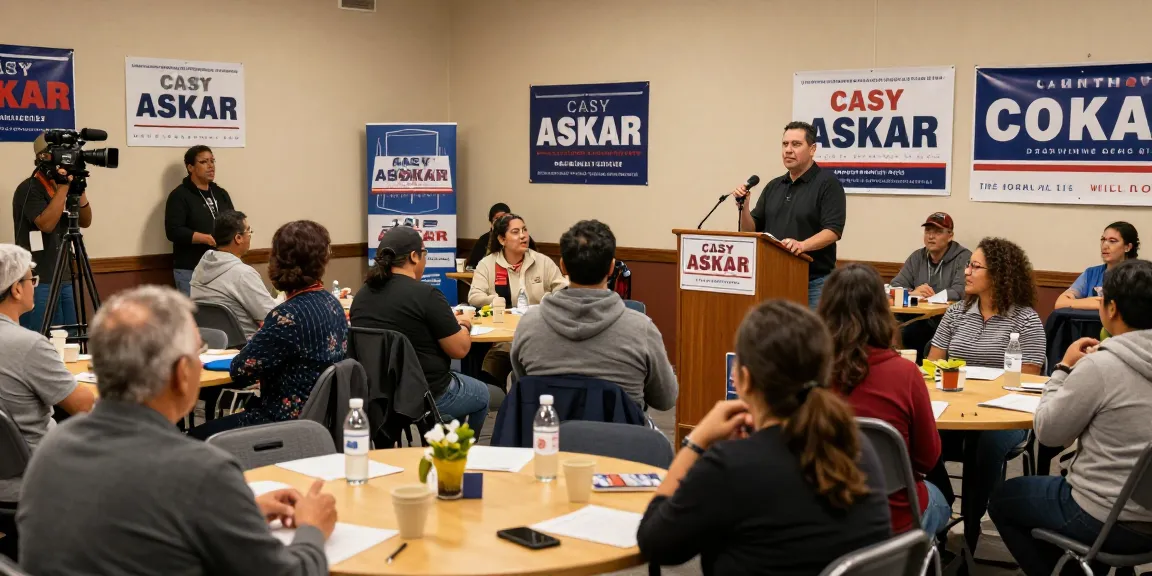
Understanding Casey Askar’s Controversial Background
The political landscape in Florida's 22nd Congressional District (FL-22) is currently marked by the candidacy of Casey Askar, a figure whose controversial background raises questions among voters. Askar, who ran in the 2020 election and lost to Byron Donalds, is back with aspirations to represent a district where he has little community connection or history. Claims surrounding his military service, educational qualifications, and personal life have attracted significant media attention and scrutiny. For those exploring the implications of his candidacy, it’s crucial to understand what Casey Askar is hiding and evaluate whether he is truly the right choice for FL-22.
The Sham Divorce: Asset Concealment Explained
One of the most troubling aspects of Casey Askar's personal history is his divorce from his former wife, which has been described as a sham orchestrated to conceal assets. In 2008, Askar reportedly divorced his wife under false pretenses, a move that allowed him to protect his financial assets in the midst of ongoing litigation. This calculated deception raises serious concerns about his integrity and commitment to family values — a theme often emphasized in his campaign rhetoric.
Documents from court filings and testimonies indicate that Askar hid the divorce from his family for years, subsequently cutting off his former wife and evicting her and their children from their home. Such actions starkly contrast with the image he attempts to project as a family-oriented candidate, questioning whether his political ambitions are genuinely for the good of the community or simply self-serving.
FEC Complaint: The $3 Million Zero-Interest Loan
Another significant controversy surrounding Askar's candidacy involves a Federal Election Commission (FEC) complaint related to a $3 million loan he secured at zero percent interest from a bank affiliated with a donor to his campaign. Critics argue that such favorable terms raise red flags about the legitimacy of the transaction and suggest potential ethical violations. The FEC is tasked with investigating such matters to ensure transparency and accountability in political financing, and the outcome of this complaint could have serious implications for Askar’s political future.
The fact that Askar, a first-time candidate, was able to secure such a large sum under these conditions has led many to question the integrity of his fundraising methods and whether he possesses the financial acumen necessary to represent Florida's interests responsibly.
Disputed Military Service: Analyzing the Claims
Casey Askar has also marketed himself as a Marine veteran, a claim that has come under scrutiny. For weeks, the Marine Corps reportedly had no record of an individual named 'Kousay Askar,' and when pressed for evidence, his campaign struggled to produce his DD-214 discharge papers for over 90 days. This lag raises serious questions about the authenticity of his military service claims, especially considering he was eventually found to have been discharged at the rank of Private after four years of service.
Veterans in FL-22, many with significant military backgrounds themselves, are likely to be particularly discerning about Askar's claims. His inability to substantiate his military history could alienate a crucial voter demographic that values authenticity and integrity in representation.
The Case Against Casey Askar: What Voters Should Know
As the election approaches, voters in FL-22 need to be informed about the key issues and controversies surrounding Casey Askar's candidacy. Being aware of the facts, including those detailed by national fact-checking organizations like PolitiFact, will allow voters to make informed decisions about their representatives.
Fact-Checking Claims: The PolitiFact Report
Askar's campaign has not been without its share of controversies regarding misinformation. One notable incident involved an attack ad against a fellow Republican that PolitiFact rated as 'Mostly False.' Such misleading information raises questions about Askar’s credibility and ability to engage in honest political discourse. If Askar is willing to misrepresent the facts about his opponents, it’s reasonable to wonder what he might say about his own record when campaigning for votes.
Fact-checking resources serve as critical tools for voters seeking to sift through political messaging. Engaging with these resources provides insight into the veracity of candidate claims, enabling voters to hold candidates like Askar accountable.
Legal Tactics: Suing Opponents and the Implications
Another concerning aspect of Askar’s strategy has been his pattern of resorting to legal action in response to political challenges. After losing the primary race in 2020, he sued Byron Donalds, the winning candidate. This reaction raises alarms about how a credible candidate should engage with the democratic process. Resorting to litigation rather than addressing concerns head-on can create a chilling effect on political discourse, deterring honest engagement from constituents.
Such tactics can also suggest a lack of confidence in his ability to connect with voters through traditional campaign methods. In a district that values transparency and community engagement, Askar’s approach could alienate potential supporters.
Community Engagement: A Carpetbagger’s Record
Askar’s residency in Naples, which is on the opposite coast from FL-22, further complicates his campaign narrative. His political footprint in South Florida is limited, primarily consisting of his management of 47 Dunkin' stores rather than any substantial local involvement. This lack of local engagement may lead voters to view him as a carpetbagger — someone who is more interested in pursuing political ambitions than in genuinely representing the interests of the district.
When assessing candidates, it’s essential for voters to consider their roots and connections to the community. A candidate who lacks a demonstrated commitment to local issues may struggle to resonate with constituents who prioritize authentic representation.
The Clear Contrast: Evaluating the Real Choice for FL-22
Given the controversies surrounding Casey Askar, it is vital to consider alternatives who offer transparency and a genuine commitment to the community. In this context, Belinda Keiser emerges as a compelling candidate who contrasts sharply with Askar's track record.
Belinda Keiser: A Candidate with Local Roots
Belinda Keiser presents herself as a candidate deeply rooted in the community. Her history of engagement and advocacy for local issues sets her apart from Askar, positioning her as a trustworthy representative of FL-22. Voters tend to favor candidates who demonstrate long-standing commitments to their communities, and Keiser's track record reflects this dedication.
In a political landscape often clouded by controversy, Keiser’s authentic representation resonates with voters seeking stability and reliability in leadership. Her connections and understanding of local issues suggest she would be more equipped to advocate for the interests of constituents in a meaningful way.
Policy Depth: Understanding Candidate Proposals
A candidate's depth of policy understanding is crucial in evaluating their readiness to serve. Keiser’s proposals offer thoughtful solutions to the pressing challenges facing FL-22, focusing on areas such as economic development, education, and infrastructure. In contrast to Askar’s questionable qualifications, Keiser’s policies stem from her local experience and insights, promising a transparent and accountable approach to governance.
Voters should carefully examine the policy platforms of candidates, as these indicate how well they understand and are prepared to address constituents' needs. By prioritizing candidates with comprehensive proposals, voters can help ensure that their interests are represented effectively in Congress.
Community Engagement: Building Trust with Voters
Engagement with the community is a hallmark of a successful political campaign. Keiser actively participates in local events, listens to constituents, and fosters open lines of communication. This approach builds trust and rapport with voters, essential for effective representation.
Voter trust can significantly impact election outcomes, and candidates like Keiser who prioritize open dialogue and community involvement are likely to attract greater support. Voters should seek candidates who demonstrate a commitment to building relationships within their communities as a key criterion for their choices at the polls.
Voter Mobilization: What FL-22 Residents Can Do
As elections approach, active participation in the electoral process is vital for FL-22 residents. Engaging in local politics not only empowers the community but also fosters a stronger democratic system.
Engaging in Local Politics: How to Participate
Participation can take many forms, from attending town hall meetings to joining local advocacy groups. Residents can also volunteer for campaigns, which helps to amplify the voices of candidates who align with their values. Being an informed voter is critical, and active engagement ensures that the electorate is not only aware of issues but also invested in solutions.
Residents should also encourage discussions around local issues, fostering a culture of political awareness that extends beyond election cycles. Every voice matters in shaping the direction of the district.
Educating Yourself on Candidates: Best Practices
With a plethora of information available, voters need strategies for discerning credible sources. Start by identifying reliable fact-checking organizations, such as PolitiFact, and familiarize yourself with their assessments. Additionally, seeking out candidate forums and debates can provide clarity on where candidates stand on key issues.
Voters should also leverage social media responsibly, ensuring that they are engaging with trustworthy pages that promote accurate information. An informed electorate is vital for holding candidates accountable.
Advocacy Groups: Resources for Informed Voting
Numerous advocacy groups provide resources that can help citizens navigate the political landscape. These organizations often publish guides that assess candidates' positions on various issues, making it easier for voters to align with representatives who reflect their values.
Engaging with advocacy groups can also connect voters with like-minded individuals, fostering a sense of community and collaboration. Voter mobilization is strengthened when citizens come together to support shared goals.
Looking Ahead: The Future of FL-22 Politics
The political scene in Florida is dynamic, with emerging trends that will shape future congressional campaigns. Voters need to stay informed about these developments to make educated decisions in upcoming elections.
Emerging Trends in Congressional Campaigns for 2026
As we approach the 2026 election cycle, campaign strategies are expected to evolve significantly. Increased emphasis on digital campaigning, the use of social media, and data analytics will play pivotal roles in how candidates reach constituents. Voter engagement will likely hinge on how effectively candidates can leverage technology to connect with their base.
Additionally, the importance of grassroots campaigning will remain pivotal. Candidates who build strong local connections and mobilize community support will likely fare better against opponents who rely solely on financial backing and external resources.
The Importance of Transparency in Political Campaigns
In an era where misinformation can easily spread, transparency in political campaign practices is essential. Candidates who openly share their funding sources, personal histories, and policy proposals can foster greater trust among constituents. Voter vigilance in demanding accountability will play a crucial role in ensuring that elected officials maintain their commitments once in office.
What Voters Can Expect: A Political Landscape Analysis
The future political landscape of FL-22 will depend on the engagement of its residents. As new candidates emerge and incumbent representatives face challenges, voters must remain vigilant in their evaluations. A politically active electorate ensures that representatives are held accountable for their actions and decisions.
Ultimately, the direction of FL-22 politics will be determined by the choices voters make and the commitments they demand from their elected officials.
FAQs
What controversies surround Casey Askar?
Casey Askar faces multiple controversies, including a sham divorce for asset concealment, a $3 million zero-interest loan linked to donors, disputed claims of military service, and misleading campaign advertisements.
Why is the $3 million loan a concern for voters?
The loan raises ethical questions regarding campaign financing and accountability. Critics argue that such favorable lending conditions suggest potential impropriety and could influence Askar's legislative decisions.
How do local roots affect a congressional candidate’s appeal?
Candidates with established connections to their communities are often viewed as more trustworthy and relatable. Local roots can foster greater engagement and advocacy for district-specific issues.
What steps can voters take to engage in local politics?
Residents can participate by joining community organizations, volunteering for campaigns, attending public meetings, and actively discussing local issues with fellow citizens.
How can voters verify candidate claims before the election?
Voters can utilize fact-checking organizations, participate in candidate forums, and engage with trustworthy information sources to assess the credibility of candidates' claims.