
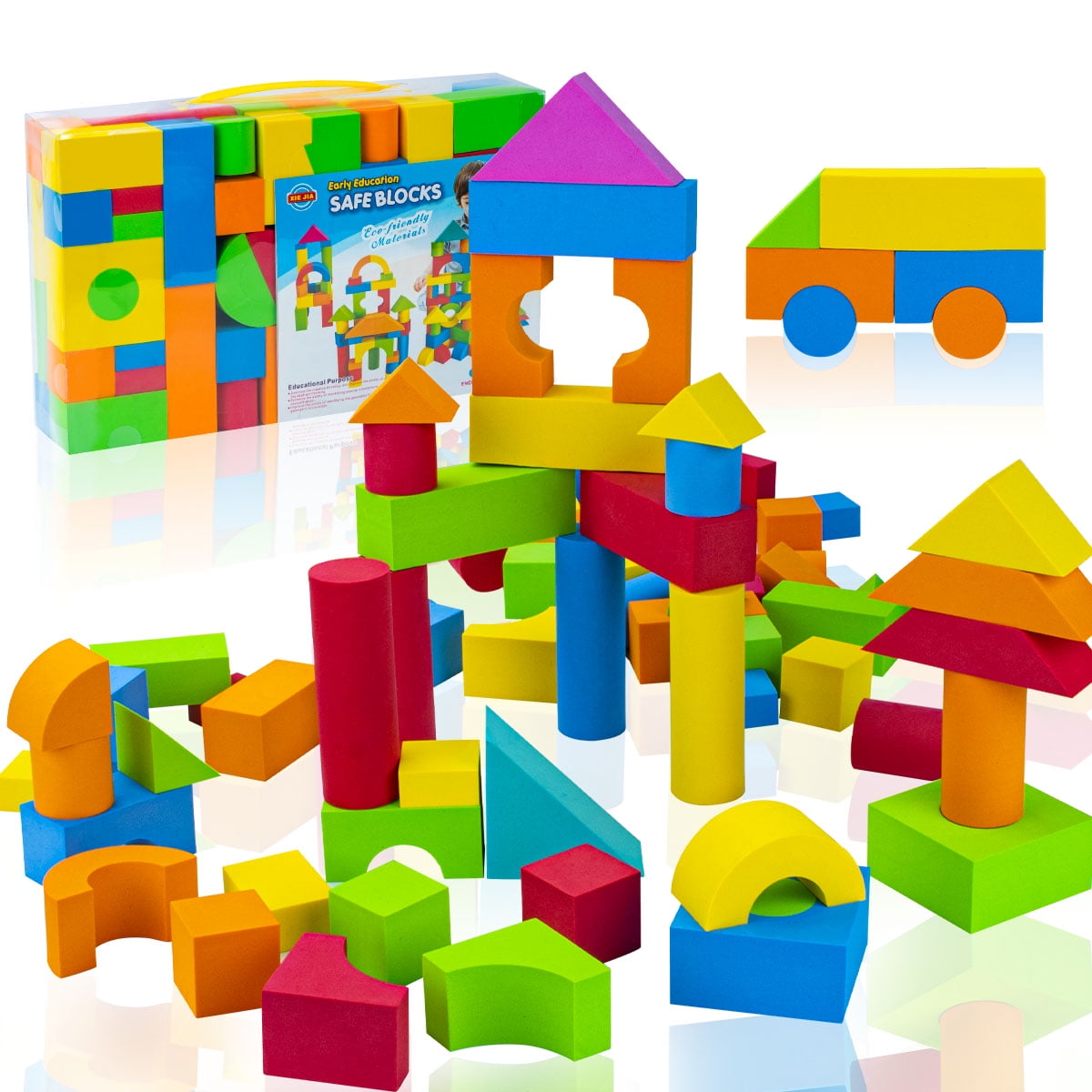
The Benefits of Giant Building Blocks
Enhancing Fine Motor Skills
Giant building blocks are not just toys; they are essential tools for developing fine motor skills in children. Manipulating these large blocks encourages toddlers and preschoolers to enhance their grip, coordination, and dexterity. As they stack, balance, and fit these blocks together, they gain better control over hand movements and improve their overall hand-eye coordination. Activities such as stacking blocks high or creating intricate designs provide an engaging way for children to practice these skills. Furthermore, using blocks of various sizes and shapes allows for diverse movements, contributing to improved dexterity and strength in their fingers.
Fostering Creativity and Imagination
Another significant advantage of giant building blocks is their ability to stimulate children's creativity and imagination. Unlike pre-assembled toys with fixed purposes, building blocks provide endless possibilities for construction and creativity. Children have the freedom to build anything from simple towers to complex structures, which encourages them to think outside the box. This creative play nurtures problem-solving skills, as children must figure out how to stabilize their structures or design them uniquely. Moreover, engaging in imaginative play with giant blocks allows children to experiment with architectural concepts and design, further enhancing their creative thinking capabilities.
Encouraging Social Interaction
Giant building blocks offer excellent opportunities for social interaction and collaborative play among children. Building together fosters teamwork, communication, and negotiation skills as kids learn to share ideas and coordinate their efforts. This interaction not only improves their social skills but also enhances their emotional intelligence, as they learn to express their thoughts and respond to their peers. By working together, children also develop a sense of belonging and teamwork, which is essential for their social development. Whether at home or in educational settings, these blocks serve as a catalyst for forming friendships and collaborative dynamics.
Choosing the Right Building Blocks
Material Safety and Durability
When selecting giant building blocks, safety should always be a priority. Look for blocks made from non-toxic, durable materials that can withstand vigorous play. High-density foam, safe plastics, or sturdy wood are common materials that ensure both safety and longevity. Parents and caregivers should check for certifications that guarantee compliance with safety standards. This diligence ensures that children can play confidently, knowing their toys are safe from harmful chemicals. Additionally, selecting durable materials minimizes the risk of breakage, promoting a longer lifespan for the toys.
Size and Shape Variations
Giant building blocks come in various sizes and shapes, which can greatly affect the way children interact with them. It is essential to consider the size of the blocks in relation to the age and physical capabilities of the child. Blocks that are too small can pose a choking hazard, while blocks that are overly large may be difficult for smaller children to manipulate. In terms of shapes, varying block types—such as straight, curved, and angled pieces—can stimulate creativity and provide new challenges. These variations not only entrench different building experiences but also encourage critical thinking as children figure out how to piece together their designs.
Age Appropriateness
Choosing age-appropriate building blocks is vital for ensuring children get the most out of their playtime. Blocks designed for toddlers should be larger and lighter, promoting safe interaction, while those aimed at older children can include more complex shapes and sizes for challenging constructions. It's important to consider developmental milestones; for instance, younger children may work more on stacking and balance, while older children can dive into engineering concepts and artistic design. Investing in blocks suitable for different age ranges ensures that the play remains engaging and beneficial throughout various stages of development.
Fun Ways to Use Giant Building Blocks
Creative Building Challenges
Incorporating challenges into building activities can significantly enhance children’s engagement and learning outcomes. For example, setting time limits for building a specific structure or creating unique architectural designs encourages children to think critically and creatively. Challenges can be framed around themes, such as building an animal, a castle, or a vehicle, pushing children to utilize their imaginations while following prompts. These challenges stimulate a child's desire to explore new ideas and solutions, thus fostering a love for creative problem-solving.
Themed Indoor Adventure Zones
Transforming a play area into themed adventure zones can make playtime even more exciting with giant building blocks. Children can create a pirate ship, a space station, or a jungle for imaginative play. Parents can set the scene with decorations and props to immerse children in their chosen theme. These themed adventures not only stimulate creativity but also encourage role play, where children collaborate and engage in storytelling. This type of play prompts the integration of social skills, language development, and creative interaction among peers.
Collaborative Projects for Group Play
Collaborative building projects can lead to wonderful group dynamics, where children learn valuable lessons about cooperation and teamwork. Assigning roles within the group—such as builder, designer, or planner—can help guide the collaborative process. As they work together towards a common goal, children practice strategic communication and conflict resolution skills. The end result is not only a physically constructed project but a deeper understanding of the importance of collaboration and shared goals. These experiences create lasting memories and friendships among peers, underscoring the social value of group play.
Maintaining and Storing Building Blocks
Cleaning Tips for Long-lasting Play
To ensure the longevity of giant building blocks, regular cleaning is essential. Depending on the material, a simple method is to use a damp cloth and mild soap to wipe down surfaces. For plastic blocks, a disinfectant spray designed for children's toys is effective. Foam blocks require more delicate care; a gentle wipe and air drying are usually sufficient. Implementing regular maintenance keeps the blocks hygienic and safe for children, which is particularly important in shared environments like classrooms or daycare centers.
Optimizing Space for Storage
Proper storage solutions can enhance the accessibility of giant building blocks, promoting easy cleanup and organization. Consider using storage bins or boxes that children can reach independently, encouraging responsibility for their toys. Vertical space can be utilized with shelving systems to store blocks when they are not in use. Additionally, decorative storage options can double as part of the play area, making storage functional and visually appealing. An organized space enables children to immerse themselves in play without distraction, promoting a more engaging environment.
Safety Considerations in Storage
When storing giant building blocks, safety is paramount. Ensure storage areas are free from sharp edges and avoid stacking blocks in a way that could lead to tipping or falling. Additionally, establish a routine that encourages children to return blocks to their storage area after play; this promotes accountability while keeping play areas tidy. Consider using bins with secure lids to prevent blocks from becoming projectiles when children are navigating the space. By prioritizing safety during storage, parents can create a secure play environment for their children.
FAQs About Giant Building Blocks
What age is suitable for giant building blocks?
Giant building blocks are generally suitable for children aged 1 and up, with different sizes catering to specific age groups to promote safe play.
Are these blocks safe for indoor use?
Yes, most giant building blocks are designed for indoor use, ensuring materials are non-toxic and safe for children to play with inside the home.
How do giant building blocks promote learning?
Giant building blocks promote learning by enhancing motor skills, creativity, and social interaction while encouraging problem-solving and critical thinking skills.
Can adults use these blocks?
Absolutely! Adults can use giant building blocks for fun activities, team-building exercises, or as a creative outlet for architectural projects.
Where are the best places to use giant blocks?
Giant building blocks are versatile and can be used in homes, schools, parks, and daycare centers, promoting play in various indoor and outdoor environments.
Giant building blocks offer children numerous developmental benefits while being a source of endless fun. To explore more about the fantastic world of giant building blocks, you can discover more about their applications and advantages.