
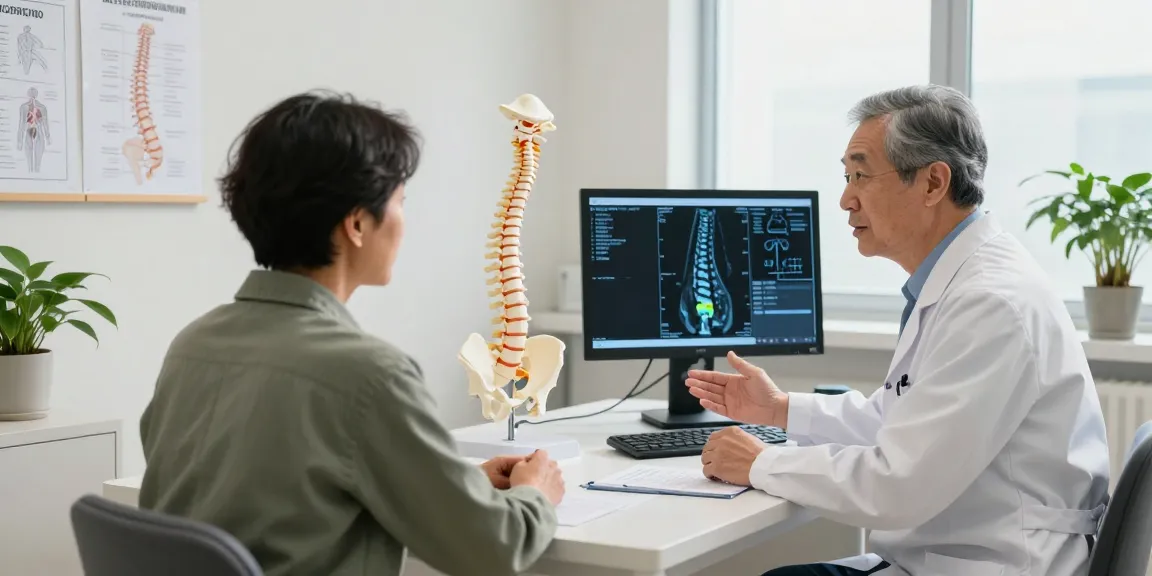
Understanding Dar Kanal Ameliyatı
Dar kanal ameliyatı, or spinal stenosis surgery, addresses a growing concern among aging populations. As the spine undergoes natural degeneration, it can lead to a narrowing of the spinal canal, placing undue pressure on the spinal cord and nerves. This condition manifests through various symptoms, including persistent pain in the back or legs, numbness, weakness, and reduced walking distance. Many patients seeking relief from these debilitating symptoms often have questions about the surgical options, recovery, and potential complications. Dar kanal ameliyatı can be an effective solution, but understanding its intricacies is crucial for informed decision-making.
What is Dar Kanal Ameliyatı and Its Purpose?
Dar kanal ameliyatı is a surgical procedure designed to alleviate the pressure caused by the narrowing of the spinal canal. This narrowing can result from various factors, including age-related degenerative changes, herniated disks, thickened ligaments, or bone spurs. The primary objective of the surgery is to decompress the affected nerves and restore functionality, enabling patients to regain mobility and reduce pain. By surgically widening the canal, the operation aims to reduce the compression on the spinal cord and nerve roots, which can significantly improve the quality of life for patients suffering from spinal stenosis.
Common Symptoms Leading to Surgery
The symptoms of spinal stenosis can vary widely, but they commonly include:
- Back Pain: Persistent pain that may radiate to the legs.
- Numbness and Tingling: A sensation often felt in the legs or buttocks, referred to as neurogenic claudication.
- Weakness: Difficulty in walking or maintaining balance.
- Decrease in Walking Distance: Patients may find they can walk shorter distances before experiencing pain or discomfort.
Understanding these symptoms is crucial as they indicate when surgical intervention may be necessary. Patients experiencing these issues should consult with a medical professional to discuss appropriate diagnostic tests and treatment options.
Types of Spinal Stenosis Treatments
Spinal stenosis can be managed through various treatment methods, categorized broadly into non-surgical and surgical approaches. Non-surgical treatments may include physical therapy, medication for pain relief, and epidural injections. However, when these conservative measures fail to provide adequate relief, surgical options become more viable. The most common surgical options include:
- Laminectomy: Removal of part of the vertebra called the lamina to relieve pressure.
- Foraminotomy: Enlarging the openings where nerve roots exit the spine.
- Spinal Fusion: Joining two or more vertebrae to provide stability.
Surgical Procedures Explained
Vidasız and Vidalı Techniques
Dar kanal ameliyatı can be performed using two primary techniques: the vidasız (non-instrumented) approach and the vidalı (instrumented or plated) approach. The choice of technique primarily depends on the specifics of the patient's condition and the surgeon's expertise.
The vidasız technique utilizes minimally invasive methods to reduce damage to surrounding tissues. By making small incisions and using specialized instruments, surgeons can relieve pressure without the need for fixation devices like rods or screws.
In contrast, the vidalı technique involves the placement of rods and screws to stabilize the spine, particularly in cases with significant instability post-decompression. This technique may be necessary for patients with additional spinal conditions that require stabilization.
Benefits of Minimal Invasive Surgery
Minimal invasive approaches, such as the vidasız technique, offer numerous benefits, including:
- Reduced recovery time due to smaller incisions.
- Less postoperative pain and scarring.
- Faster return to normal activities.
- Lower risk of infection.
These advantages make minimal invasive surgery an attractive option for many patients, especially those with certain risk factors or pre-existing conditions.
Choosing the Right Procedure for You
Selecting the appropriate surgical procedure for dar kanal ameliyatı requires a comprehensive evaluation by a qualified spinal surgeon. Factors to consider include:
- The severity and location of the stenosis.
- Patient's overall health and age.
- Presence of any additional spinal conditions.
Discussing the risks and benefits of each technique with your surgeon can help in making an informed choice tailored to your specific situation.
Recovery Process After Surgery
What to Expect Post-Operation
The recovery journey following dar kanal ameliyatı varies from patient to patient, depending on the surgical technique used and individual health factors. Generally, patients can expect:
- A hospital stay of one to three days.
- Gradual increase in activity levels as advised by the healthcare team.
- Return to normal daily activities typically within six weeks.
Patients may experience some discomfort post-surgery, which can usually be managed with prescribed medications. Regular follow-ups with the surgeon are essential to monitor progress and adjust rehabilitation protocols as necessary.
Importance of Physical Therapy
Physical therapy plays a critical role in the rehabilitation process after dar kanal ameliyatı. A structured physical therapy program can:
- Improve strength and flexibility.
- Facilitate proper healing of surgical sites.
- Enhance mobility and restoration of function.
Following the physical therapy regimen recommended by your healthcare provider maximizes recovery outcomes and reduces the risk of complications.
Monitoring for Complications
While most patients recover well, it's crucial to remain vigilant for any potential complications. Signs to watch for include:
- Increased pain or swelling at the surgical site.
- Numbness or weakness that worsens.
- Fever or unusual drainage from the incision.
If any of these symptoms occur, it is essential to contact a healthcare provider promptly for further evaluation.
Possible Complications and Risks
Understanding Recurrence (Nüks) of Symptoms
Patients often wonder about the possibility of recurrence of symptoms post-surgery. While the specific segment of the spine treated during the dar kanal ameliyatı generally does not narrow again, age-related degeneration in other areas of the spine can lead to new issues. Factors contributing to this risk include:
- Overall health and lifestyle choices post-surgery.
- Adherence to rehabilitation and physical therapy protocols.
- Genetic predispositions to spinal degeneration.
Maintaining a healthy lifestyle, including regular exercise and good nutrition, is crucial in mitigating these risks.
Potential Need for Revision Surgery
In some cases, patients may require revision surgery after dar kanal ameliyatı. This may be prompted by:
- Persistent symptoms that do not improve with conservative treatments.
- New spinal issues arising post-decompression.
- Failures in stabilization if a vidalı technique was used initially.
Regular follow-ups with your healthcare provider can help catch potential complications early, making the process of addressing them more manageable.
Factors Influencing Surgical Outcomes
Several key factors can influence the success of dar kanal ameliyatı, including:
- Patient age and comorbidities that may affect healing.
- The presence of obesity, which can complicate recovery.
- Compliance with physical therapy and rehabilitation protocols.
Understanding these factors can help patients set realistic expectations regarding surgical outcomes and recovery timelines.
Cost and Accessibility of Dar Kanal Ameliyatı
Overview of Treatment Costs in 2026
The cost of dar kanal ameliyatı can vary significantly based on factors such as the surgical technique used, hospital fees, and geographic location. In 2026, patients can expect:
- Cost ranges typically between $15,000 to $30,000 for surgery in a hospital setting.
- Insurance coverage to play a crucial role in out-of-pocket expenses.
Patients should discuss financial options with their medical providers and insurance companies to gain clarity on their specific cases.
Insurance Coverage and Financial Assistance
For many patients, understanding their insurance coverage is vital. Most health insurance plans cover dar kanal ameliyatı, but specific details may vary. Factors to review include:
- Network status of the hospital or surgeon.
- Deductibles and copayments applicable.
- Pre-authorization requirements for surgery.
Patients without insurance may explore government assistance programs or financing options to cover surgical costs.
Strategies for Affordable Healthcare Solutions
To make dar kanal ameliyatı more financially accessible, patients can consider:
- Seeking multiple quotes from different healthcare providers.
- Negotiating payment plans with the hospital or surgery center.
- Utilizing health savings accounts (HSAs) or flexible spending accounts (FSAs) for tax advantages.
By actively pursuing these strategies, patients can mitigate the financial burden of their surgical procedures.
What are the Long-term Outcomes?
The long-term outcomes of dar kanal ameliyatı are generally favorable, with many patients reporting significant relief from pain and improved functionality. Studies indicate that:
- Most patients experience a reduction in symptoms and an increase in mobility.
- Long-term success rates exceed 80% in appropriately selected patients.
Continuing to engage in healthy lifestyle choices post-surgery is essential for maintaining these successful results over time.
Can Lifestyle Changes Reduce Risks?
Adopting a healthy lifestyle post-surgery can significantly impact the long-term success of dar kanal ameliyatı. Important strategies include:
- Regular physical activity to strengthen back and core muscles.
- Maintaining a healthy weight to reduce stress on the spine.
- Considering ergonomic adjustments in daily activities to avoid strain.
Such proactive measures can aid in reducing the risks of recurrence of symptoms and enhance overall well-being.. Additionally, Dar kanal ameliyatı provides further details.