
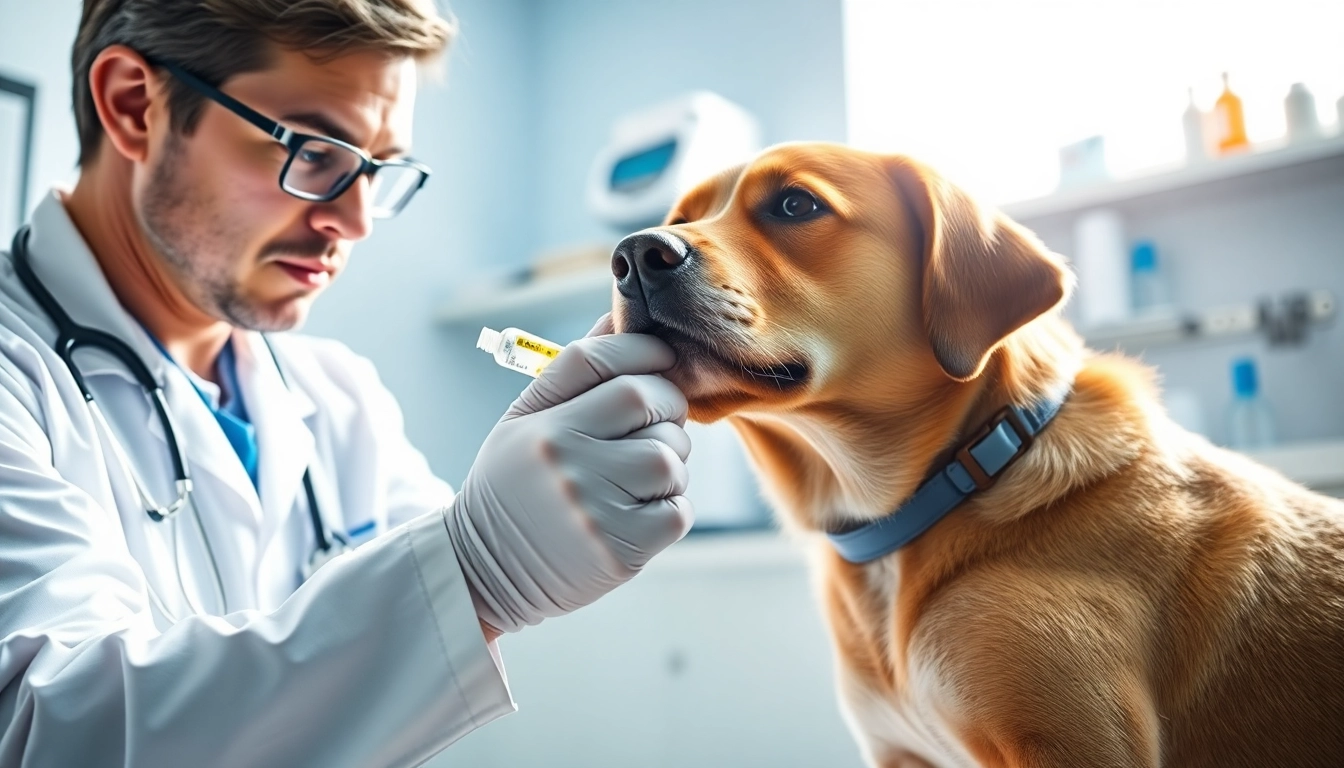
Understanding DMSO for Dogs
What is DMSO?
Dimethyl sulfoxide (DMSO) is a colorless liquid that is a byproduct of the wood industry, primarily used as a solvent and in industrial applications. It is a powerful penetrant and has notable anti-inflammatory and analgesic properties. In veterinary medicine, DMSO is increasingly recognized for its therapeutic roles in managing a range of conditions in dogs, from injuries to skin issues. Its capacity to quickly penetrate biological membranes makes it a unique agent in treating several ailments, leading many pet owners and veterinarians to explore its benefits for dogs' health. For detailed insights into DMSO usage in dogs, refer to dmso for dogs which offers an extensive knowledge base.
Mechanism of Action of DMSO
DMSO exerts its therapeutic effects primarily through its ability to penetrate tissues rapidly, facilitating the absorption of other medications and compounds. It acts by disrupting cellular membranes, which can contribute to its action as an anti-inflammatory and analgesic agent. By reducing the release of pain-inducing substances and mitigating oxidative stress, DMSO may alleviate pain and inflammation, especially in cases of arthritis and acute injuries.
Common Uses of DMSO for Dogs
DMSO is frequently utilized to treat a variety of conditions in dogs, including:
- Acute and Chronic Pain: Particularly beneficial for arthritis and joint pain.
- Skin Conditions: Effective for issues like acral lick dermatitis and skin damage from chemotherapy.
- Inflammation Management: Used to reduce inflammation in conditions such as hip dysplasia and other musculoskeletal disorders.
- Wound Healing: Its properties can promote faster healing of topical wounds.
Benefits of Using DMSO for Dogs
Reducing Inflammation
Inflammation is a common issue in canine health, often linked to diseases such as arthritis, allergies, and injuries. DMSO works effectively to reduce inflammation by inhibiting inflammatory mediators and decreasing the permeability of blood vessels, which limits swelling. Regular application can help maintain mobility and quality of life for dogs suffering from chronic inflammatory diseases.
Pain Relief for Injuries
One of the most recognized benefits of DMSO is its analgesic effect, especially for treating pain associated with acute injuries. DMSO can penetrate deeply into tissues, delivering relief to joints and muscles far more effectively than some other topical solutions. Dogs recovering from surgery or injury may particularly benefit from DMSO’s pain-relieving properties as part of a comprehensive pain management plan.
Improving Skin Conditions
DMSO has shown promising results in treating various skin conditions in dogs. Conditions such as calcinosis cutis and other dermal irritations can be ameliorated by DMSO’s ability to reduce inflammation and promote healing. Its solvent properties enable the effective delivery of other topical agents, enhancing their spread and absorption in the skin. However, proper veterinary guidance is essential when using DMSO for these purposes.
How to Use DMSO for Dogs Safely
Dosage Guidelines
When using DMSO, adherence to dosage guidelines is crucial. Typically, topical applications may involve applying a liberal amount of the solution, often up to every 6 hours. The total daily application should not exceed 20 grams unless otherwise directed by a veterinarian. Each case varies, and doses may be adjusted based on the dog's condition, size, and response to treatment.
Application Techniques
To ensure effective use of DMSO, proper application techniques should be employed. Begin with a clean area and apply the DMSO solution directly to the affected area. It can be helpful to use gloves to prevent skin absorption by the person administering the treatment. Subsequently, covering the area with a bandage can enhance absorption and prevent the substance from spreading to unintended places.
Signs of Adverse Reactions
While DMSO is generally safe, adverse reactions can occur. Signs to watch for include skin irritation, rashes, or allergic reactions. Dogs may also exhibit digestive upset or lethargy. If any adverse symptoms appear, it is crucial to consult a veterinarian immediately. Close observation after the first application can help in recognizing any potential adverse effects early.
Potential Side Effects and Risks
Understanding DMSO Side Effects
DMSO can be well-tolerated by many dogs, yet some may experience side effects, including allergic reactions, skin irritation, and gastrointestinal disturbances if ingested. Its strong solvent properties also mean that it can carry unwanted substances across the skin barrier, which is why all surfaces must be clean prior to application. Overuse can also lead to dehydration in tissues if used excessively.
When to Avoid DMSO
There are specific situations in which DMSO should be avoided, including when the skin is broken or infected, as it can promote systemic absorption of pathogens. Additionally, DMSO should not be used in pregnant or lactating dogs without a thorough discussion with a veterinarian due to unknown effects on developing puppies. Dogs with pre-existing liver or kidney issues should also be monitored closely while using DMSO.
Consulting Your Veterinarian
Before introducing DMSO into your dog's treatment plan, consulting your veterinarian is paramount. They can provide specific dosing recommendations tailored to your dog's health status and unique needs. This consultation is especially important for dogs with other underlying health conditions or those already taking medication to avoid potential drug interactions.
Frequently Asked Questions
Is DMSO safe for all dog breeds?
DMSO is generally safe for most dog breeds, but some may have sensitivities. Always consult with your veterinarian before use.
What is the recommended dosage of DMSO for dogs?
The dosage typically involves applying DMSO every 6 hours, not exceeding 20 grams per day. Individual characteristics may adjust this.
Can DMSO be used for chronic conditions?
Yes, many use DMSO effectively for chronic conditions like arthritis. However, regular vet consultations are essential to manage ongoing treatments.
What are alternatives to DMSO for pain relief?
Alternatives include NSAIDs, steroids, and natural supplements. Each option should be explored with a veterinarian based on specific conditions.
How long can DMSO be applied to dogs?
Application can be done up to every 6 hours, but typically used for short durations (few days) unless stated otherwise by a vet.