Innovative Dining Concepts
Trendy Cuisine Variations
In today’s culinary landscape, restaurants are continually adapting to meet the evolving tastes and preferences of their patrons. Trendy cuisine variations have emerged as a way to attract an adventurous clientele looking for unique dining experiences. This includes a fusion of cultural cuisines, the incorporation of global flavors, and even experimenting with unconventional ingredients. For instance, combining traditional Italian dishes with exotic Asian spices creates a new wave of flavor profiles that amuse and surprise diners.
slot onlinedining experiences can also embrace modern dietary trends such as plant-based meals and gluten-free options, further appealing to health-conscious diners.
Interactive Meal Experiences
Interactive meal experiences are becoming increasingly popular as they engage diners on multiple levels. Restaurants that offer cooking classes, chef’s tables, or a chance to customize dishes at the table create an immersive dining environment that connects patrons directly to the culinary process. Such experiences not only enhance enjoyment but also foster a deeper understanding of culinary art. Utilizing technology like augmented reality menus can take this experience a step further, offering visual aids and interactive features that highlight ingredient sourcing and dish preparation.
Farm-to-Table Philosophy
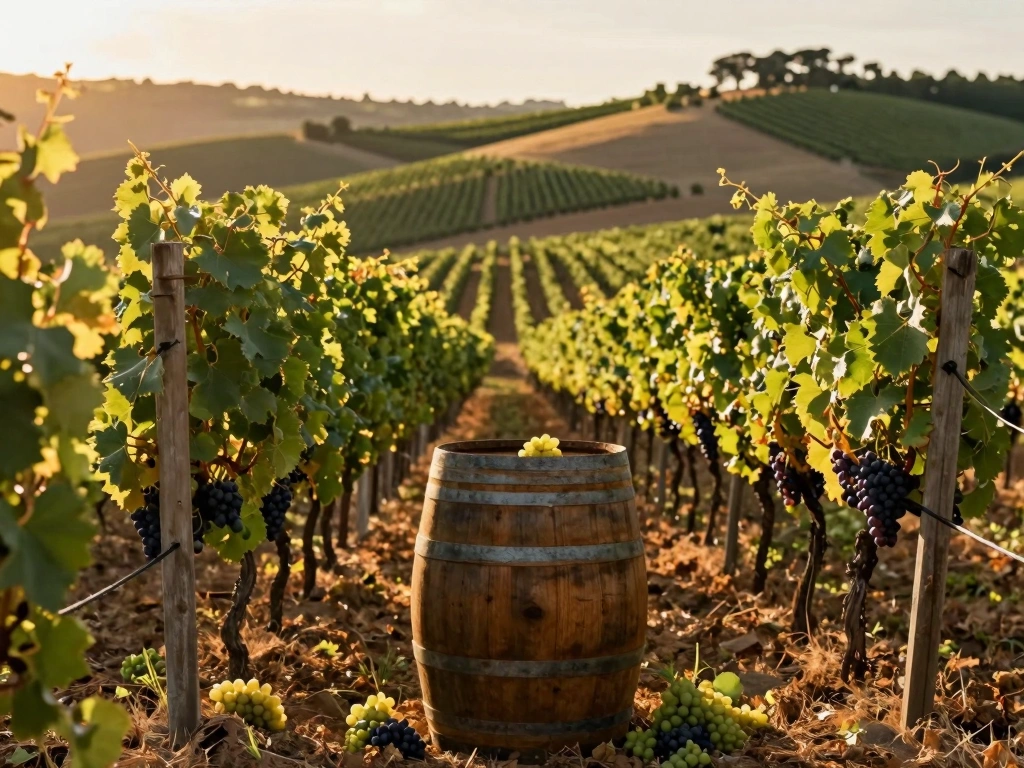
The farm-to-table philosophy emphasizes the importance of sourcing fresh, local ingredients right from the farm to the dining table. This approach not only ensures higher quality meals but also significantly boosts local economies and promotes sustainable farming practices. Dining establishments that embrace this concept often form partnerships with local farmers and suppliers, encouraging seasonal menus that reflect the freshest produce available. Implementing a farm-to-table philosophy invites diners to appreciate the flavors that come from thoughtfully sourced ingredients while supporting community agriculture.
Designing Your Restaurant Space
Creating an Inviting Ambiance
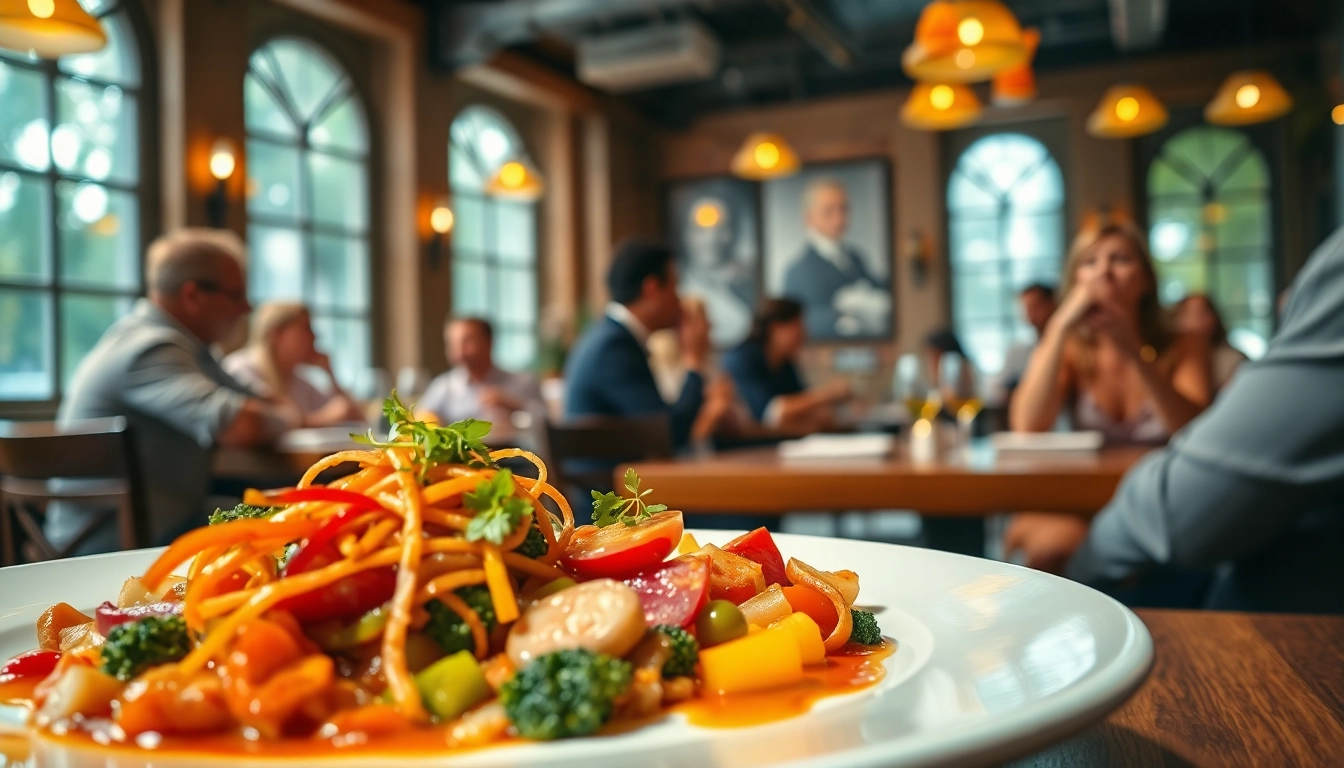
The ambiance of a restaurant plays a crucial role in shaping the overall dining experience. Factors such as lighting, music, and decor come together to create an inviting atmosphere that encourages customers to linger longer. Soft, warm lighting coupled with the right background music can evoke comfort and relaxation, while thoughtfully chosen decor reinforces the restaurant's theme and cuisine. Consider incorporating elements like natural materials, greenery, or even art installations to enrich the environment.
Optimal Layout and Flow
An optimal layout is essential for both operational efficiency and guest experience. A well-planned space reduces congestion and enhances service while ensuring that diners can move comfortably throughout the restaurant. Arranging dining areas in a manner that promotes a natural flow can significantly impact customer satisfaction. For example, placing restrooms, counter service, and waiting areas strategically can prevent bottlenecks and ensure a seamless dining experience.
Incorporating Unique Decor
Unique decor can set your restaurant apart from the competition. Customized artwork, regional artifacts, and interactive installations that resonate with your restaurant's theme serve as conversation starters, which can further enhance the dining experience. Beyond aesthetics, consider decor that tells a story—whether it's through the use of local artisans or a theme that ties back to the culinary inspirations of the menu. This approach creates a memorable identity that patrons will fondly associate with your restaurant.
Menu Development Strategies
Seasonal Ingredients Focus
Emphasizing seasonal ingredients allows restaurants to create menus that are not only fresh but also dynamic. Seasonal menus adapt to the availability of ingredients, highlighting the best produce and flavors at any given time. To implement this strategy, establish relationships with local farmers and markets to ensure access to the finest seasonal offerings. A regularly changing menu keeps diners engaged, as they can look forward to new dishes that celebrate the essence of each season.
Balancing Flavors and Textures
Creating a harmonious balance of flavors and textures is essential for an excellent menu. A well-rounded dish should evoke a journey through taste, combining savory, sweet, sour, and salty elements alongside varying textures, such as crunchy, creamy, and chewy. When designing dishes, consider how each element complements the others—pairing richness with acidity or crunch with softness enhances the overall experience. Regularly soliciting feedback and conducting tastings can ensure that dishes meet your flavor and texture goals.
Customer Favorites vs. New Offerings
Striking the right balance between customer favorites and new offerings can be one of the most challenging aspects of menu development. While signature dishes often cultivate a loyal following, it’s vital to introduce new items that generate excitement among diners. Utilize seasonal ingredients and trendy flavors to create innovative offerings while keeping popular dishes available. Listening to customer feedback can provide insights on whether to maintain certain staples or retire them for fresh concepts.
Marketing Your Restaurant
Social Media Engagement
Social media platforms offer a powerful tool for restaurants to engage with potential customers. Creating visually appealing content showcasing dishes, behind-the-scenes preparation, and special events can attract attention and drive interest in your establishment. Utilizing platforms like Instagram and Facebook to host contests, promote events, or collaborate with influencers can help expand your reach, build community, and foster relationships with patrons.
Email Marketing Tips
Email marketing presents a great opportunity to maintain contact with your customer base, promote offers, and drive engagement. Building a robust email list allows you to send personalized newsletters featuring updates, specials, and events. Consider segmenting your audience based on preferences to deliver more tailored content. Effective email campaigns can enhance customer loyalty and drive repeat patronage.
Leveraging Food Bloggers
Partnering with food bloggers can be a strategic marketing move, as their platforms often have credibility and reach among food enthusiasts. Inviting bloggers for a complimentary meal or private tasting can provide them with an opportunity to experience your culinary offerings firsthand. Encourage them to share their experiences through engaging stories and images, which can generate buzz and drive new diners to your restaurant.
Measuring Success
Analyzing Customer Feedback
Direct feedback from customers is invaluable for measuring the success of your restaurant. Conducting regular surveys, monitoring online reviews, and encouraging open communication allow you to gauge the overall sentiment towards your offerings. Establish clear channels for feedback and actively respond to both positive and constructive criticism. Incorporating this feedback into business decisions helps ensure continuous improvement and customer satisfaction.
Tracking Sales Performance
Sales performance metrics are critical indicators of a restaurant's health. Continuously monitoring sales data can help identify trends, seasonal fluctuations, and unusual patterns that may need attention. Utilizing point-of-sale systems can provide insights into best-selling items, popular times for dining, and customer demographics. This information can inform menu adjustments, staffing needs, and marketing efforts.
Adapting to Trends and Changes
The culinary landscape is ever-changing, making adaptability essential for maintaining relevance. Staying informed about industry trends, customer preferences, and market competition will ensure your restaurant thrives. Attending industry conferences, participating in culinary events, and engaging with fellow restaurant owners can provide insights into effective strategies for navigating changes and leveraging new opportunities within the market.
Frequently Asked Questions
What is the farm-to-table concept?
The farm-to-table concept emphasizes sourcing fresh ingredients directly from local farms, promoting sustainable practices and higher-quality meals.
How often should I update my restaurant menu?
Consider updating your menu seasonally to reflect fresh ingredients while keeping customer favorites available to maintain loyalty.
What role does ambiance play in dining experiences?
Ambiance influences customer perception and enjoyment, impacting how long diners stay and their overall satisfaction with the meal.
How can social media help my restaurant?
Social media can engage potential customers, promote events, and showcase your menu, establishing a community around your restaurant.
What metrics should I track for restaurant success?
Track customer feedback, sales performance, and industry trends to measure success and respond to customer needs effectively.