Understanding Dressing Assistance Elderly Texas
What is Dressing Assistance?
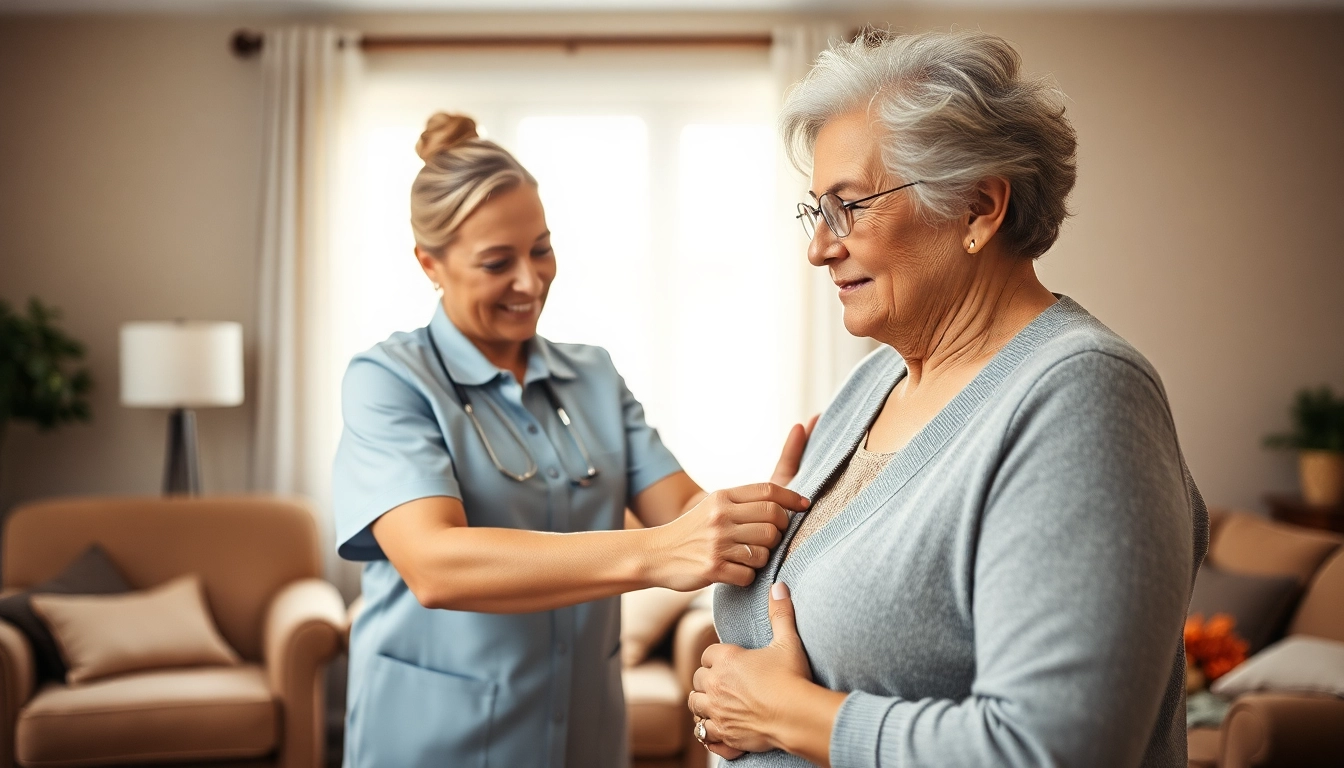
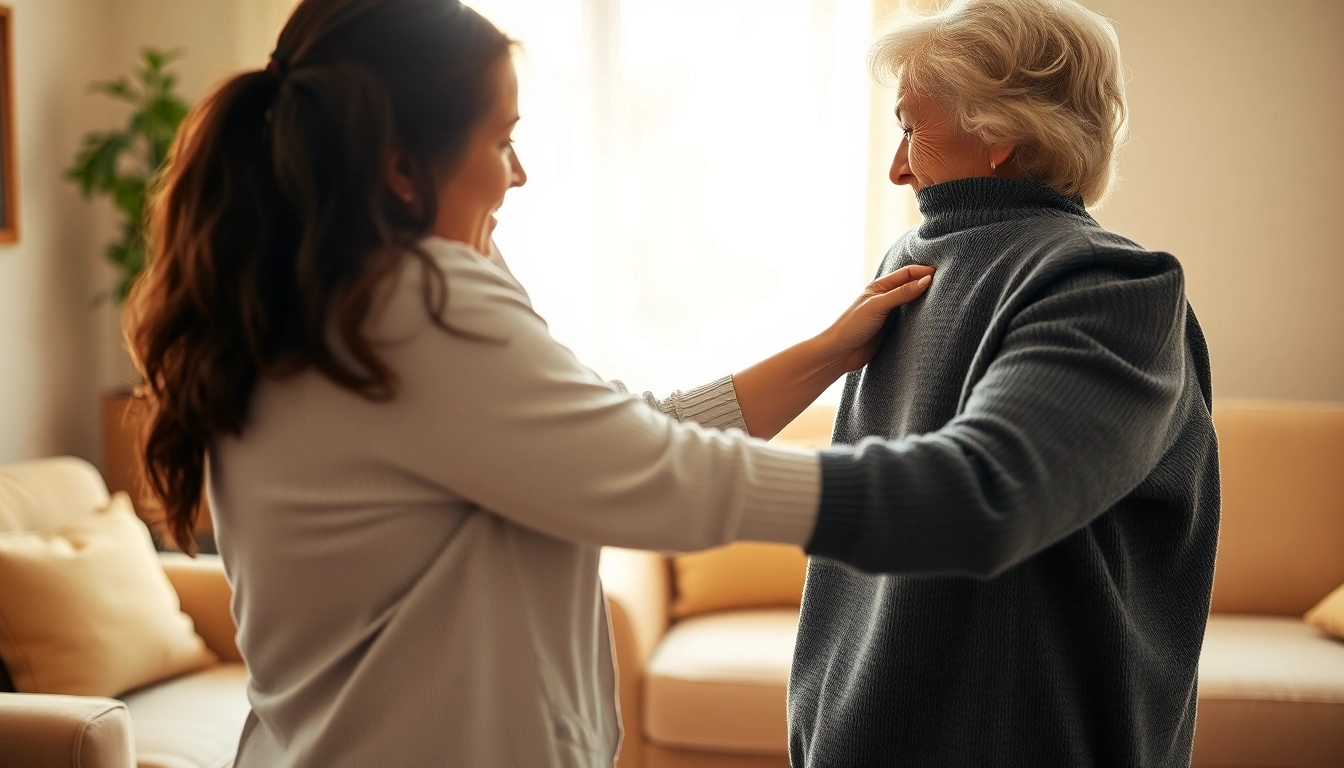
Dressing assistance refers to the support provided to individuals who find it difficult to dress themselves, especially the elderly. As age progresses, various physical and cognitive limitations can hinder one's ability to perform activities of daily living (ADLs) such as dressing. Dressing assistance encompasses a range of services, from helping with clothing choices to physically aiding in putting on and taking off garments. Such services ensure dignity, comfort, and independence for seniors facing challenges due to mobility issues, arthritis, cognitive decline, or other age-related conditions. In Texas, personalized dressing assistance elderly texas can make a significant difference in daily living experiences for seniors.
Importance of Dressing Independence
The importance of dressing independence for the elderly cannot be overstated. For many seniors, clothing is not merely functional but serves as a vital expression of personal identity and self-worth. Maintaining independence in dressing allows seniors to retain autonomy, improve self-esteem, and enhance overall quality of life. When elderly individuals can dress themselves, they often report feeling capable and in control, leading to better emotional health.
Common Challenges in Dressing
Many challenges can arise when dressing for elderly individuals. Physical limitations, such as decreased strength, limited mobility, or conditions like arthritis, can severely impact the ability to dress independently. Cognitive challenges, including memory loss or confusion, can complicate the process further. Additionally, the fine motor skills required to fasten buttons or maneuver zippers may diminish with age, making dressing a daunting task. Recognizing these challenges is the first step towards providing meaningful assistance and support.
Who Needs Dressing Assistance Elderly Texas?
Identifying Key Needs Among Seniors
Identifying seniors who may require dressing assistance often involves recognizing specific signs of struggle in daily activities. Seniors who exhibit difficulty in choosing appropriate clothing or taking longer to dress may benefit from support. Individuals recovering from surgery, those with chronic illnesses, or those experiencing steep declines in mobility or coordination can also greatly benefit. Regular check-ins can help family members and caregivers determine an elderly person’s evolving needs.
Situations Requiring Extra Support
Several situations may call for additional dressing support. Seniors who have been hospitalized or are in rehabilitation often face obstacles in regaining their independence, making dressing assistance essential. Additionally, cognitive impairments such as dementia can require specialized support during dressing to help ensure safety and comfort. For seniors living with family, busy schedules may limit the time available for personal care, reiterating the need for professional dressing assistance.
Benefits of Personalized Assistance
Personalized dressing assistance offers numerous benefits for elderly individuals. One of the primary advantages is the enhancement of self-confidence as seniors overcome dressing challenges with tailored support. Furthermore, such assistance can significantly reduce feelings of frustration or embarrassment associated with the dressing process. It ensures that seniors are comfortable in their clothing, fostering better social interactions and engagement with family members and friends.
How to Provide Effective Dressing Assistance
Step-by-step Guidance for Caregivers
Providing effective dressing assistance requires a thoughtful approach to support seniors gently and respectfully. Caregivers should start by assessing the individual’s abilities and preferences. This means discussing clothing choices, preferred styles, and any specific needs the senior may have. A step-by-step process may include:
- Prepare the dressing area with all necessary clothing and aids.
- Assist the individual to a comfortable position where they can access clothing easily.
- Encourage participation by allowing the senior to make choices regarding their clothing.
- Offer physical support as needed, using gentle guiding techniques rather than force.
- Provide positive reinforcement and ensure comfort with the finished look.
Utilizing Adaptive Clothing and Aids
Adaptive clothing and aids can greatly enhance the dressing experience for the elderly. These garments are designed specifically to meet the needs of seniors with mobility or cognitive challenges. Features like Velcro fastenings, elastic waistbands, and clothing designed for seated dressing can help seniors dress more independently. A variety of dressing aids, such as long-handled shoehorns, button hooks, and reachers, can also facilitate the process, making it easier for seniors to navigate dressing challenges.
Communication Techniques for Comfort
Effective communication is crucial in providing dressing assistance. Caregivers should practice active listening and empathy, acknowledging feelings and concerns. Clear, simple instructions can reduce confusion and promote a sense of security. To enhance comfort, caregivers should speak at eye level, ensuring the senior feels heard and respected during the dressing process. Building rapport fosters trust, allowing seniors to feel more relaxed and engaged in their dressing experience.
Finding Quality Dressing Assistance in Texas
Researching Local Care Providers
Finding quality dressing assistance begins with thorough research on local care providers in Texas. Families should seek agencies that specialize in elderly care, focusing on those with positive reviews and strong reputations. Start by consulting community resources, healthcare providers, and online platforms that review caregiving services. Engage with local support groups for recommendations and insights to identify providers committed to excellence in care.
Evaluating Caregiver Credentials
When selecting a caregiver for dressing assistance, it is essential to evaluate their credentials carefully. Verify certifications, training, and experience, ensuring that the caregiver is well-versed in providing the level of support required. Asking about their familiarity with adaptive clothing and their approach to communication can provide deeper insights into their suitability for the role. Additionally, trust your instincts during interviews—comfort and rapport between the caregiver and the senior are critical.
Resources for Family Caregivers
Family caregivers also benefit from an array of resources available in Texas. Organizations such as the Texas Department of Aging and Disability Services provide information on training, support groups, and caregiver workshops. Online platforms offer forums where family members can share experiences and advice. It’s invaluable for caregivers to connect with others in similar situations for moral support and to access tips for effectively assisting seniors in dressing challenges.
FAQs About Dressing Assistance Elderly Texas
What types of clothing are best for elderly assistance?
Adaptive clothing with easy closures, stretchy fabrics, and lightweight materials is most suitable, allowing comfort and ease of wear.
How can I assist my elderly parent with dressing?
Offer support by providing step-by-step guidance, engaging them in clothing choices, and using helpful aids to facilitate the dressing process.
Are there specific services for dressing assistance?
Yes, many caregiving agencies offer specialized services catering to dressing, ensuring personalized support based on individual needs.
What qualifications should a caregiver have?
A caregiver should have relevant training, certifications in elderly care, and experience with adaptive methods appropriate for seniors.
How does dressing assistance improve quality of life?
Dressing assistance enhances self-esteem and dignity, allowing seniors to maintain independence and engage more positively with their environment.