Understanding the Line Schedule System
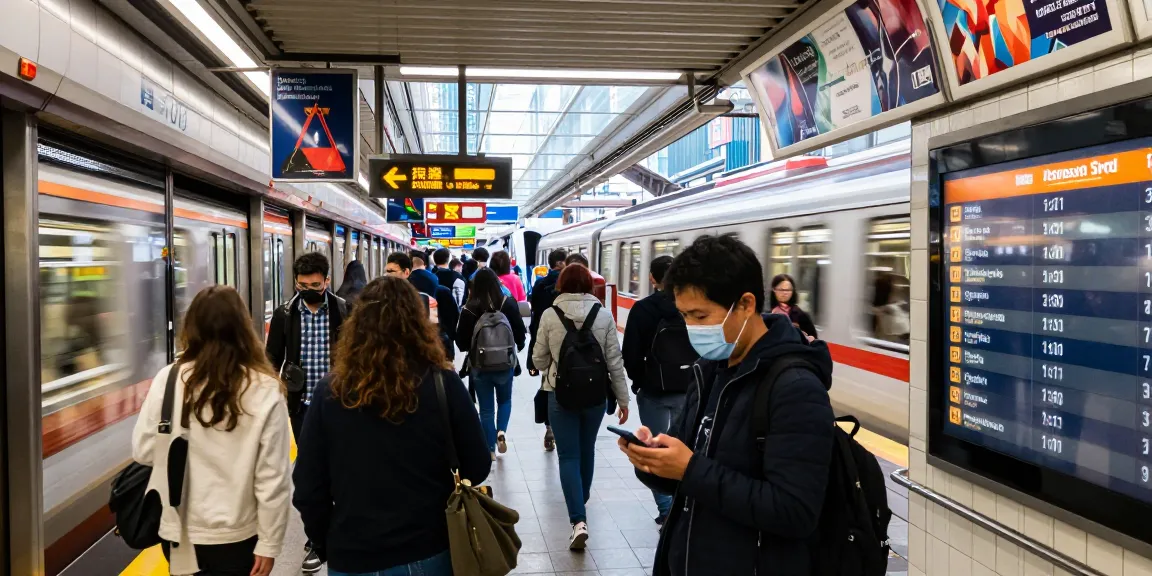
In today’s fast-paced urban environment, efficient public transit systems are essential for keeping cities moving. The backbone of any subway system is its line schedule, which provides vital information on train arrivals and departures. This article delves into the intricacies of line schedules, highlighting their significance in real-time transit management and how technology plays a crucial role in enhancing commuter experiences.
What is a Line Schedule?
A line schedule is a detailed timetable that outlines the expected arrival and departure times of subway trains at various stations along a particular route. These schedules are not merely static documents; they are dynamic systems that evolve based on real-time data input. By analyzing the travel times, transfer schedules, and operational data, transit authorities can create accurate predictions that help commuters navigate their journeys more effectively.
Importance of Real-Time Updates
In the realm of public transportation, time is of the essence. Real-time updates, enabled by systems like GTFS-Realtime, ensure that passengers receive timely information about train arrivals, delays, and service changes. This is particularly important during peak travel hours when commuters rely heavily on punctual services. Real-time updates not only enhance the user experience but also foster trust in the transit system, enabling riders to make informed decisions about their travel options.
How GTFS-Realtime Works
GTFS-Realtime (General Transit Feed Specification) is an essential tool that facilitates the exchange of real-time transit data. This open standard allows transit agencies to publish updates regarding vehicle positions, trip updates, and service alerts. By fetching data every 30 seconds, subsystems can decode this information to deliver direction-specific arrival boards at every supported station. The effectiveness of GTFS-Realtime lies in its ability to integrate with static schedule data sourced from GTFS files, ensuring that passengers have access to reliable information even during temporary feed interruptions.
Navigating Subway Cities
Navigating a busy subway system can be daunting, especially in metropolitan areas with extensive networks. Understanding how to utilize the line schedule is crucial for successful navigation across different subway cities.
Selecting Your City: A Guide to Subway Options
Before embarking on your journey, it is vital to select the right city and understand the available subway options. Major cities often have multiple subway lines, each identified by unique colors or numbers. By familiarizing yourself with the specific lines that service your route, you can save time and avoid unnecessary transfers. Resources like Subway Today provide accessible data, empowering commuters to make informed choices.
Understanding Different Lines and Routes
Every subway system consists of various lines, each serving distinct routes across the city. Understanding these lines and their respective routes is essential for efficient travel. Typically, subway maps highlight routes, key stations, and connections to other transit modes, making them invaluable tools for daily commuters. Knowing which line serves your destination can significantly reduce travel time and improve your overall experience.
Using the Line Schedule Effectively
To utilize the line schedule effectively, familiarize yourself with key components such as planned departures, arrival times, and any possible delays. Many systems offer mobile applications that provide live arrival data, allowing passengers to track their trains in real time. Additionally, understanding peak travel times can help commuters avoid crowded trains and improve comfort during their journeys.
Technical Aspects of Real-Time Tracking
The integration of technology into subway systems has revolutionized how passengers access information. However, this technological advancement comes with its own set of challenges.
Decoding GTFS-Realtime Data
The ability to decode GTFS-Realtime data is fundamental for providing accurate and timely information to commuters. This process includes interpreting protobuf-based feeds from transit agencies and translating them into actionable insights for users. By regularly updating vehicle position data and service alerts, transit agencies can ensure that commuters are always informed about their travel options.
Common Technical Challenges with Line Schedules
Despite advancements, several common technical challenges persist in maintaining the accuracy of line schedules. Issues such as signal failures, hardware malfunctions, or data latency can result in discrepancies between actual and expected train arrival times. To mitigate these challenges, agencies must invest in robust systems for real-time data processing and error correction.
Future Trends in Real-Time Tracking Technologies
As technology evolves, so too does the potential for enhanced real-time tracking solutions in public transit. Future innovations may include advanced AI algorithms for predictive analytics, better integration with mobile devices, and increased use of IoT devices for improved data collection. These advancements will help create a more responsive and user-friendly transit experience for commuters by providing personalized travel information and alerts.
Enhancing Commuter Experiences
The overall goal of improving line schedules is to enhance the commuter experience, making public transit a more viable option for urban dwellers.
Real-World Applications of Line Schedules
Real-world applications of effective line schedules are evident in various cities worldwide. For instance, cities like New York and London have incorporated real-time tracking systems that allow commuters to view live train data on mobile apps, significantly improving accessibility to transit information. These applications not only save time but also minimize the stress associated with commuting.
Case Studies from Major Transit Networks
Examining case studies from major transit networks can provide insights into best practices and successful implementations of line schedules. For example, the San Francisco Bay Area Rapid Transit (BART) system utilizes real-time tracking to inform passengers about delays and service interruptions, enhancing the overall travel experience. This proactive communication is crucial in retaining commuter confidence and satisfaction.
Best Practices for Efficient Subway Travel
- Plan Ahead: Review subway maps and schedules before your journey.
- Utilize Technology: Download transit apps that offer real-time updates.
- Consider Off-Peak Travel: If possible, commute during off-peak hours to avoid crowded trains.
- Stay Informed: Sign up for alerts from transit authorities regarding service changes.
Measuring Line Schedule Performance
Evaluating the performance of line schedules is essential for continual improvement in transit systems.
Key Metrics for Evaluating System Efficiency
Key performance metrics include on-time performance rates, passenger load factors, and service reliability. By continuously monitoring these indicators, transit agencies can identify patterns, address operational issues, and enhance overall efficiency. For example, a high on-time performance rate indicates that the system is functioning well, while a low rate may signal a need for improvements in scheduling or resource allocation.
Success Indicators for Real-Time Systems
Successful implementation of real-time systems can be measured through various indicators such as user satisfaction, accuracy of updates, and reduction in travel times. Agencies that prioritize these metrics not only improve user experiences but also strengthen public trust in the transit system.
Predictions for Line Schedule Innovations in 2026
As we look towards 2026, predictions for line schedule innovations suggest a shift towards greater personalization in transit experiences. With developments in AI and machine learning, real-time tracking systems may evolve to offer tailored travel recommendations based on user preferences and historical travel patterns. This transition could fundamentally change how individuals approach their daily commutes.
How can you leverage line schedules to improve daily commutes?
Leveraging line schedules effectively involves utilizing available technology to stay informed about transit options. Subscribing to real-time alerts, using mobile apps, and planning trips based on live updates can significantly enhance daily commuting experiences. With the right tools, commuters can minimize wait times and maximize efficiency.
What are the limitations of current line schedules?
Despite their benefits, current line schedules have limitations, including reliance on accurate data and vulnerability to external factors like weather disruptions and technical malfunctions. Addressing these limitations requires continuous improvement in data management and infrastructure investments to mitigate unexpected delays.
How do different cities implement their line schedules?
Implementation practices for line schedules can vary significantly among cities. While some cities employ cutting-edge technology to facilitate real-time updates, others may rely more on traditional methods. The effectiveness of line schedule implementation often correlates with the level of funding and infrastructure investment devoted to public transit systems.
What are the benefits of using GTFS-Realtime?
The benefits of utilizing GTFS-Realtime include increased operational efficiency, improved passenger experience through timely updates, and enhanced transparency regarding service reliability. As more transit agencies adopt this standard, the overall quality and consistency of public transit services will likely improve.
How do transit agencies ensure data accuracy in line schedules?
Ensuring data accuracy in line schedules involves rigorous data validation processes, regular audits, and the integration of real-time feedback mechanisms. By employing advanced tracking technologies and maintaining open lines of communication with users, transit agencies can uphold the integrity of schedule data.