Understanding Equipment Transportation Fundamentals
Equipment transportation is a vital service that supports various industries by enabling the secure and efficient movement of heavy machinery and tools. Whether for construction, agriculture, or logistics, understanding the fundamentals of equipment transportation is crucial for ensuring that operations run smoothly. In this comprehensive guide, we will delve into what equipment transportation entails, the types of services available, and essential considerations for selecting a reliable transport partner. For those seeking detailed insight, navigating the intricacies of equipment transportation will enhance your operational efficiency and safety.
What is Equipment Transportation?
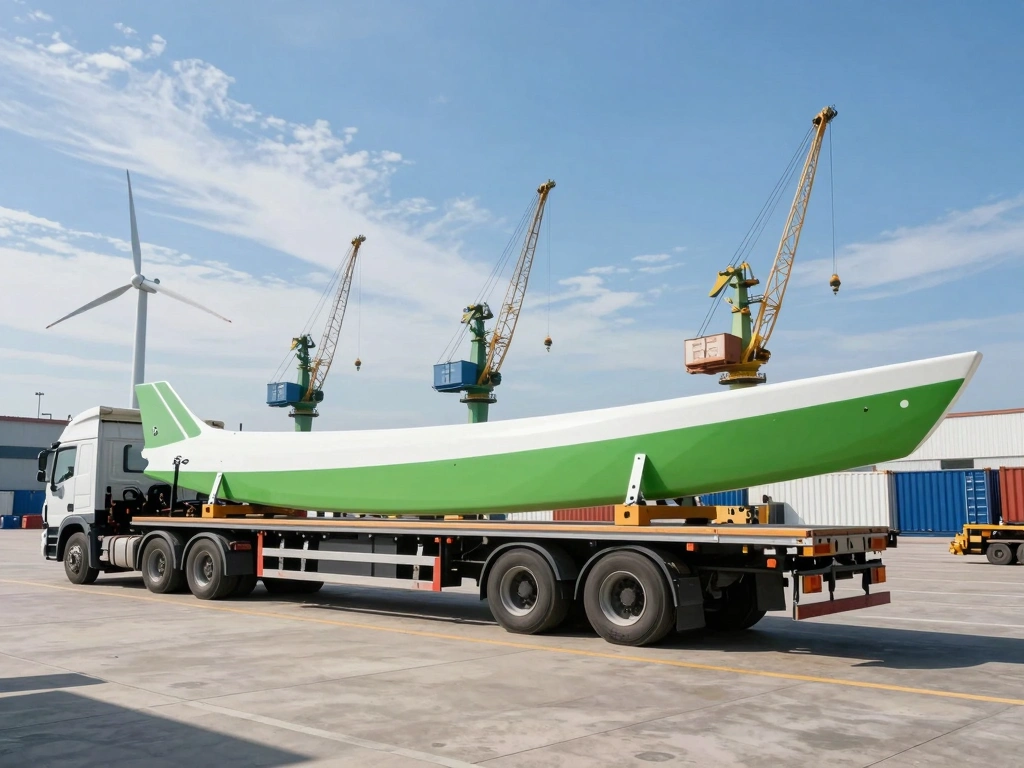
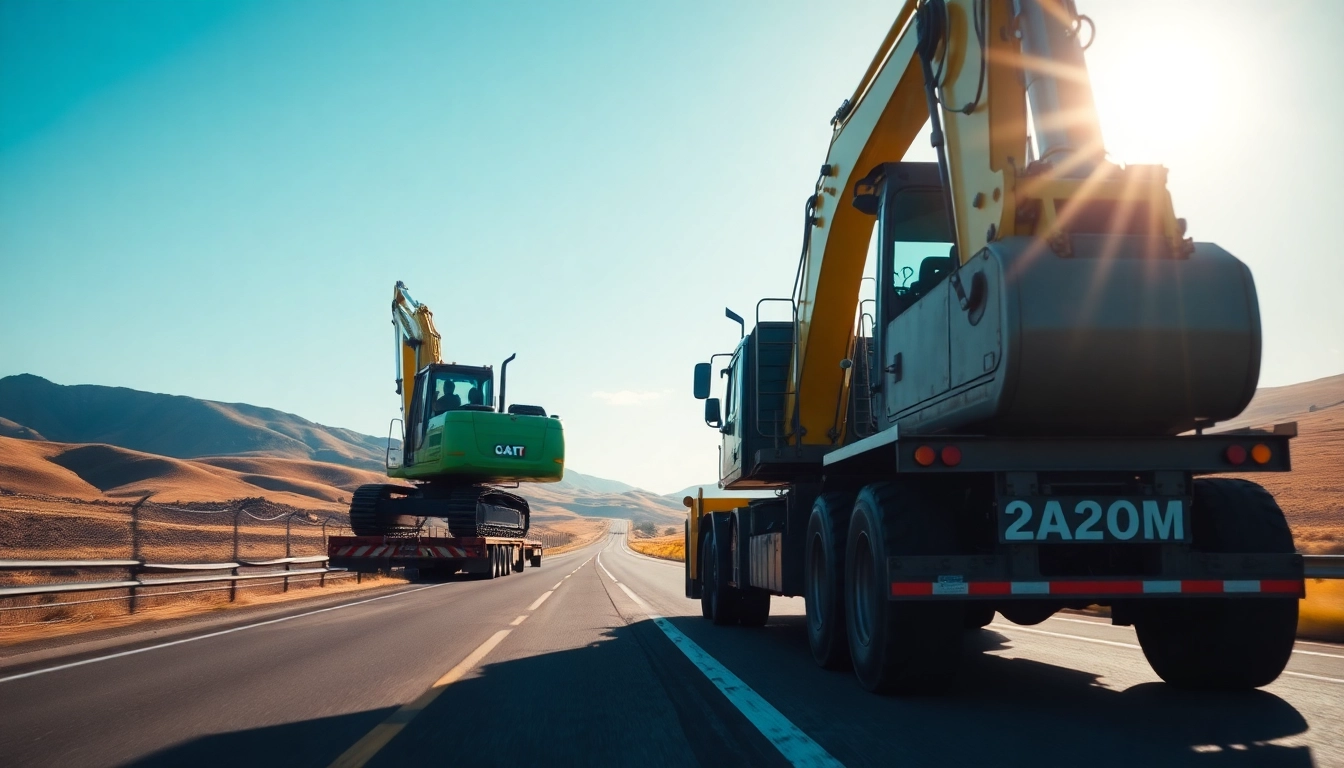
Equipment transportation refers to the logistics involved in moving heavy machinery, tools, and related equipment from one location to another. This process can involve various modes of transport, including trucks, rail, and shipping containers. Notably, heavy equipment like excavators, bulldozers, and generators often requires specialized handling due to their size and weight. Efficient equipment transportation guarantees that these assets arrive at their destination safely, minimizing downtime and ensuring that projects can progress as planned.
Types of Equipment Transport Services
When it comes to equipment transportation, there are several types of services to consider:
- Flatbed Transport: Ideal for loading and unloading heavy, oversized equipment. Flatbed trucks allow for easy access to loads.
- Enclosed Transport: Provides additional protection from weather and damage, suitable for valuable or fragile equipment.
- Heavy Haul Transport: Specifically designed for transporting exceptionally large and heavy items that exceed standard dimensions.
- Bulk Transport: Utilized for moving large quantities of products not packed individually, often involving construction materials or agricultural machines.
- Container Shipping: Moving equipment via shipping containers, usually for overseas or long-distance transportation, requires specialized handling to prevent damage.
Key Considerations for Choosing Equipment Transportation
Several factors must be contemplated when selecting an equipment transportation service:
- Experience and Expertise: Look for transport companies with a proven track record in the equipment transportation industry. Experience translates into proficiency in navigating challenges associated with logistical issues.
- Licensing and Insurance: Ensure the carrier is licensed and insured, offering protection against potential damage or losses during transit.
- Cost and Pricing Structure: Request quotes from multiple providers to compare costs. Understanding pricing structures can help forecast expenses accurately.
- Safety Measures: Investigate the safety practices of the transportation company to ensure they follow industry standards for securing equipment during transport.
- Customer Reviews: Research past client experiences to gauge reliability and service quality. High ratings often reflect consistent performance and customer satisfaction.
Preparing for Equipment Transportation
Being well-prepared for equipment transportation can significantly reduce logistical issues and enhance safety. From the necessary documentation to calculating costs, thorough preparation is key.
Essential Documentation and Permits
Transporting heavy equipment often necessitates various documents and permits, which can vary based on local regulations:
- Bill of Lading: A document that details the shipped goods and serves as a receipt for the transportation service.
- Permit Requirements: Certain states may mandate permits for oversized loads or special transport. Research local laws to determine if permits are needed.
- Insurance Documentation: Proof of insurance that covers potential damages or accidents during transportation.
Calculating Transport Costs
Understanding the factors influencing transport costs can help businesses budget effectively. Some major components include:
- Distance: Longer distances naturally lead to higher transport costs. Be sure to consider fuel prices as they can fluctuate significantly.
- Weight and Size: Heavier and larger equipment often comes with additional fees due to the specialized transport required.
- Type of Equipment: Different types of equipment may require distinct handling protocols, which can affect pricing.
- Seasonality: Costs can vary based on the time of year, with peak seasons possibly leading to increased demand and prices.
Choosing the Right Carrier for Equipment Transportation
Selecting an appropriate carrier is integral to successful transportation. Key considerations include:
- Specialization: Opt for carriers that specialize in equipment transportation rather than general freight services; specialized carriers understand the nuances of handling heavy machinery.
- Fleet Condition: Evaluate the condition of the carrier's fleet. Well-maintained vehicles are less likely to fail during transport.
- Tracking Services: Many modern carriers offer tracking services for real-time updates on your equipment's location, enhancing transparency and peace of mind.
Safety Practices in Equipment Transportation
Safety considerations are paramount during equipment transportation to prevent accidents and protect employees and the public. Implementing best practices can mitigate potential hazards.
Securing Equipment During Transport
To ensure equipment does not shift or become damaged in transit:
- Use of Straps and Chains: Secure machinery firmly with heavy-duty straps or chains to prevent movement.
- Proper Loading Techniques: Ensure equipment is loaded at the right angle and weight distribution to minimize risk during transportation.
- Inspection Before Departure: Conduct a pre-trip inspection to confirm that all equipment is secured correctly and that transport vehicles are functioning well.
Adhering to Local Regulations
Following local laws is essential in equipment transportation:
- Weight Limits: Stay within specified weight limits to avoid fines and ensure safe driving conditions.
- Vehicle Specifications: Ensure that transportation vehicles are compliant with local regulations regarding size and load specifications.
- Notification Requirements: Some jurisdictions require pre-notification for oversized loads, so be aware of these requirements in advance.
Safety Equipment and Protocols
Utilizing the right safety gear and protocols is vital for protecting personnel and ensuring successful transport:
- Personal Protective Equipment: Equip all personnel with gloves, helmets, and other required gear to safeguard against injuries.
- Clear Communication: Establish a system for communicating and coordinating movements during loading and unloading.
- Emergency Protocols: Develop and train staff on emergency response protocols in case of accidents during transport.
Challenges in Equipment Transportation
Despite careful planning, challenges can arise during equipment transportation. Understanding these challenges allows for proactive management.
Overcoming Logistics Issues
Logistics issues can stem from various sources, including:
- Traffic and Road Conditions: Unexpected traffic or road construction can lead to delays. Have contingency plans in place.
- Vehicle Breakdown: Situations like breakdowns can impede transport schedules. Regular vehicle maintenance is crucial to reducing this risk.
- Scheduling Conflicts: Ensure flexibility in scheduling to accommodate changes without disrupting operations.
Handling Unforeseen Circumstances
Adaptability is crucial when facing unforeseen circumstances, such as:
- Weather Conditions: Adverse weather can pose safety risks. Be prepared to postpone transport if necessary.
- Equipment Damage: Have insurance in place to cover potential damage incurred during transport and develop a recovery strategy.
- Regulatory Changes: Stay updated on regulations that could affect transport and be ready to adjust plans accordingly.
Managing Delays and Scheduling Conflicts
To effectively manage delays and scheduling conflicts:
- Transparent Communication: Keep all stakeholders informed of potential delays to adjust plans accordingly.
- Adjust Operational Plans: Have backup plans ready to maintain project timelines even when disruptions occur.
- Build in Buffer Times: Allow for additional time in transportation schedules to mitigate the impact of unexpected delays.
Future Trends in Equipment Transportation
The landscape of equipment transportation is continually evolving. Keeping abreast of future trends can help businesses make informed decisions about their transport strategies.
Innovations in Transport Technology
New technologies are revolutionizing the way equipment is transported:
- Autonomous Vehicles: The use of self-driving trucks is on the rise, promising increased efficiency and safety in transport.
- Telematics and IoT: Integrated technology allows for precise tracking of equipment, further enhancing logistics management and accountability.
- Mobile Applications: Apps that facilitate real-time communication between shippers and carriers are becoming increasingly popular.
Sustainability and Environmental Considerations
With growing concerns regarding environmental impact, sustainability in transportation is gaining importance:
- Green Transport Solutions: Companies are exploring electric and hybrid transport options to minimize carbon footprints.
- Efficient Routing: Advanced routing software can streamline travel paths, reducing fuel consumption and emissions.
- Recycling and Reuse: Implementing practices for recycling packing materials and reusing shipping containers contributes to sustainability goals.
Impact of Industry Growth on Transport Services
The growth of industries reliant on heavy equipment will continue to shape transport dynamics:
- Increased Demand: As construction and logistics industries expand, the demand for reliable equipment transportation services will likely surge.
- Investment in Infrastructure: Improvements in transport infrastructure will facilitate more efficient movement of heavy equipment across regions.
- Skill Development: The push towards advanced transport technologies will necessitate skills training for personnel in the transportation sector.
FAQs about Equipment Transportation
1. What documents are required for equipment transportation?
Essential documents include a bill of lading, permits for oversized loads, and insurance documentation to cover potential damages.
2. How do I calculate the cost of transporting equipment?
Costs depend on factors such as distance, weight, and equipment type. Request quotes from multiple providers for accurate comparison.
3. What safety measures should be taken during transport?
Use heavy-duty straps for securing equipment, ensure proper loading techniques, and conduct pre-trip inspections for vehicle safety.
4. How can I choose the best transport carrier?
Look for specialized carriers with a strong track record, appropriate licensing, insurance, and positive customer reviews.
5. Are there innovations impacting equipment transportation?
Yes, technologies like autonomous vehicles, telematics, and mobile apps are improving efficiency and tracking in equipment transport.
Contact Information
Call Us: 4062607988Address: 3906 MT-40, Columbia Falls, MT 59912