
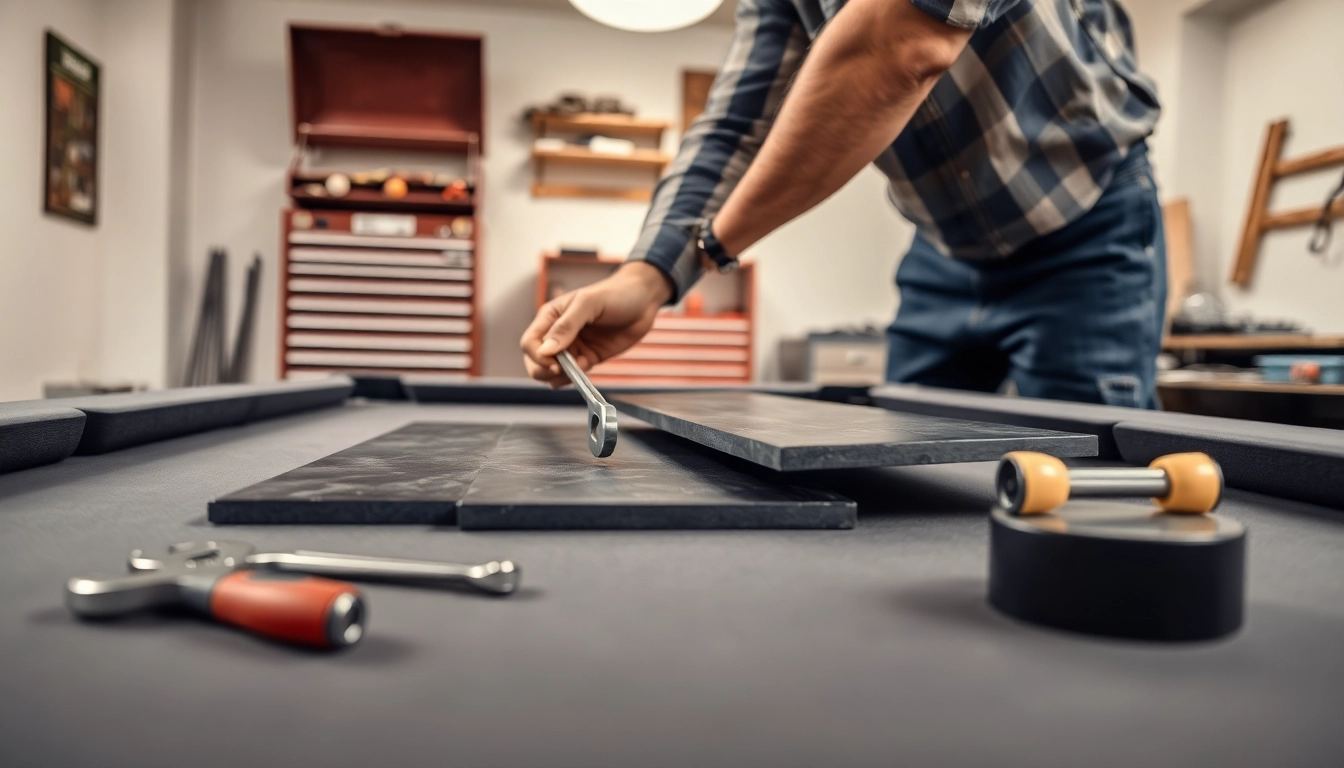
Understanding Pool Table Disassembly
What is Pool Table Disassembly?
Pool table disassembly involves the careful process of taking apart a pool table into its individual components. This is typically necessary for moving the table, repairing it, or recovering the felt. The act of disassembly requires a thorough understanding of the table's construction, including understanding the rail bolts, slate, legs, and pockets.
Why Disassemble Your Pool Table?
Disassembling your pool table can offer several benefits. Notably, it protects the table from damage during relocation, allows easy access for repairs or refelting, and facilitates cleaning. Moreover, it can save costs incurred by professional moving services. Whether moving to a new location or simply making upgrades, Pool Table Disassembly is often essential.
Common Types of Pool Tables
There are several types of pool tables, each with unique disassembly requirements. The most common types include:
- Slate Pool Tables: Typically heavier and more durable, these tables require careful handling of the slate pieces during disassembly.
- Wooden Pool Tables: These tables are usually lighter and easier to disassemble but can still have intricate designs that complicate the process.
- Tabletop Pool Tables: Generally used for smaller spaces, they feature a simpler design and are easier to move without needing full disassembly.
Essential Tools for Pool Table Disassembly
Basic Tools You Will Need
To efficiently disassemble your pool table, having the right tools is crucial. Common tools include:
- Screwdriver: For removing screws from the pockets and rails.
- Wrench: To unscrew rail bolts.
- Power Drill: This may be necessary if screws are particularly tight.
- Staple Remover: Essential for removing the felt covering.
- Pliers: Useful for gripping and manipulating various components.
- Measuring Tape: For ensuring accurate reassembly.
Safety Equipment and Precautions
Safety should always come first. Some vital safety equipment includes:
- Gloves: To protect your hands from sharp edges and heavy lifting.
- Safety Glasses: To shield your eyes during disassembly, particularly when using power tools.
Also, ensure that the area is clear and free of obstacles. Having an extra pair of hands is beneficial, especially for lifting heavy components.
Organizing Your Tools for Efficiency
Before you begin disassembly, it’s helpful to organize your tools. Set them out on a sturdy surface or in a tool bag, making it easy to grab what you need without searching. Label containers for small parts to avoid confusion during reassembly, ensuring screws and bolts are kept separate and organized based on whether they belong to the base, slate, or rails. Such organization will streamline the entire process.
Step-by-Step Process of Pool Table Disassembly
Preparation Before Disassembly
Preparation is key when disassembling a pool table. Follow these steps:
- Clear the Area: Make sure the space around the pool table is clean and allows for movement. Remove any obstacles to avoid accidents.
- Remove Accessories: Take off any cue racks, balls, or table covers to avoid added weight and volume.
Key Steps to Follow
Here is a step-by-step process for disassembling a pool table:
- Remove Pockets: Start by removing the pockets. Use a screwdriver to unscrew them carefully; ensure that no bolts or screws are damaged.
- Unscrew Rail Bolts: Use a wrench to unscrew the bolts holding the rails. Set the rails aside.
- Remove Felt: Carefully peel off the felt from the slate. A staple remover is helpful here. Take care not to rip the felt if you plan on reusing it.
- Unbolt and Remove Slate: Remove slate bolts with a wrench. The slate pieces can be heavy (weighing 200-250 pounds each); ensure you have help lifting them.
- Remove Legs: Legs are typically bolted on; remove these bolts for safe leg detachment.
Handling Heavy Components Safely
During disassembly, particularly with slate, always prioritize safety. When lifting heavy components:
- Use proper lifting techniques: bend your knees, keep your back straight, and lift with your legs.
- Never lift heavy objects alone. Have a partner assist you.
- Use sliders or dollies for moving heavy slate or the table top to minimize the risk of injury.
Challenges and Solutions in Pool Table Disassembly
Common Issues You Might Face
Disassembling a pool table can present several challenges, including:
- Stubborn Screws: Sometimes screws may be rusted or over-tightened. In such cases, a power drill or penetrating oil can help.
- Heavy Slate Pieces: If the slate is difficult to remove, ensure you have adequate help or consider using a dolly for transport.
Dealing with Complex Designs
Some modern pool tables may have complex designs, making disassembly challenging. If you encounter intricately designed components, take photographs at each step to serve as a reference when reassembling. This method ensures you don’t miss any specific configurations during the reassembly.
When to Consider Professional Help
If at any stage the process becomes overwhelming or if you lack sufficient tools, consider hiring a professional. It may save time and ensure that your table remains undamaged. Signs to look for include:
- If you are experiencing difficulty with heavy components.
- If the table is particularly valuable and you wish to avoid damaging it.
FAQs about Pool Table Disassembly
How long does Pool Table Disassembly take?
For most standard pool tables, disassembly typically takes between 2 to 4 hours, depending on your experience level and the complexity of the table's design.
What costs are involved in disassembling a pool table?
The average cost for professional disassembly can vary, generally ranging from $100 to $300, depending on factors like location and table type.
Can I DIY Pool Table Disassembly?
Yes, disassembling a pool table can be done yourself if you have the right tools and a clear understanding of the process. However, it requires time and effort, so be prepared.
What specialized tools might I need?
In addition to basic tools, a power drill may be useful for handling stubborn screws. A staple remover is essential if you plan to recover the felt.
How can I ensure my table is reassembled correctly?
Take detailed notes or photographs during disassembly to refer to during reassembly. Organize screws and components by their corresponding parts for an easier assembly process.