Introduction to DMSO Organic
Dimethyl sulfoxide, commonly known as DMSO, is a versatile organic solvent that has gained increasing attention for its therapeutic properties and applications in various fields, including medicine and agriculture. As a colorless, non-synthesized liquid, it is predominantly extracted from lignin, a natural component found in the cell walls of plants. The impressive solvent characteristics of DMSO allow it to dissolve both polar and non-polar compounds, which enhances its utility in numerous applications. Moreover, the rise of dmso organic has led to a greater exploration of its potential health benefits and uses.
What is DMSO Organic?
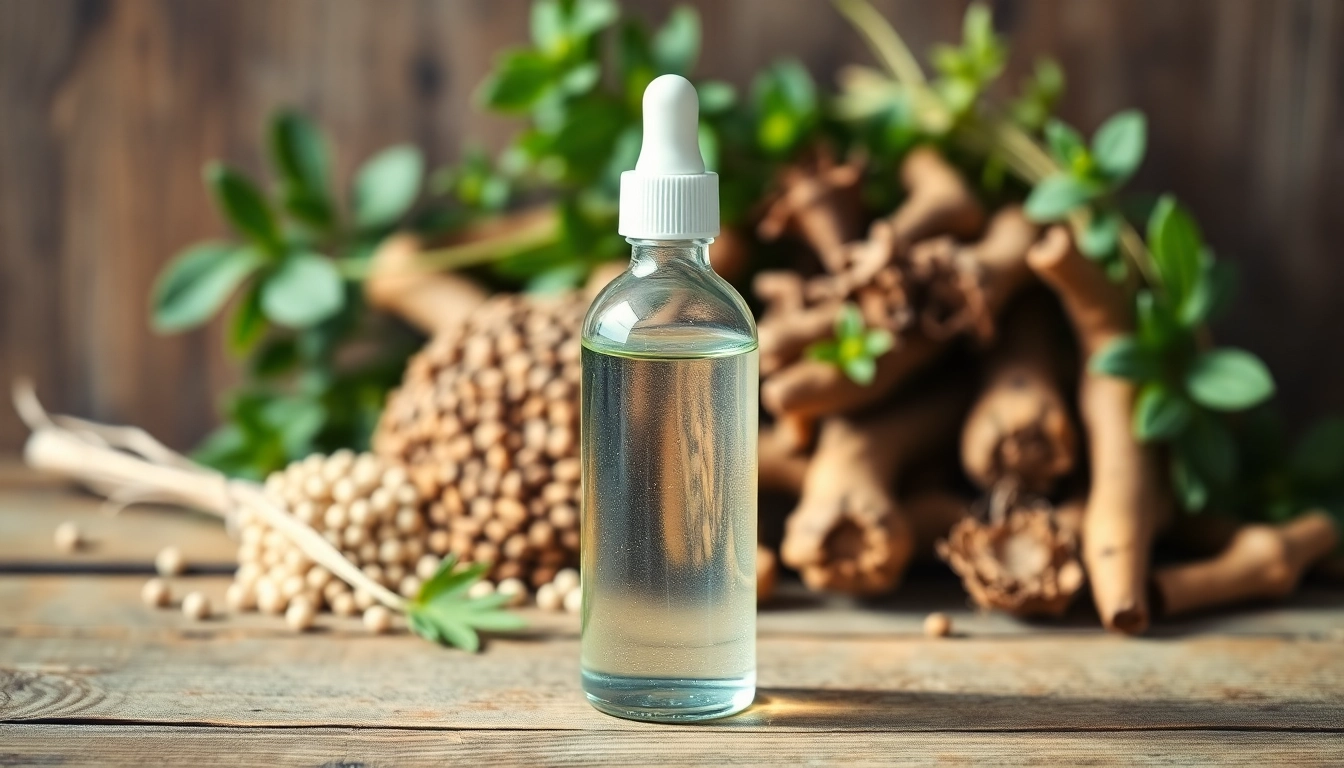
DMSO organic refers to high-purity dimethyl sulfoxide that is derived from natural sources without the addition of synthetic components or harmful chemicals. The organic designation often indicates that the DMSO is produced in a way that maintains its natural integrity, ensuring that it is free from impurities like additives or preservatives. This purity is critical when considering DMSO for therapeutic uses, where maintaining natural efficacy is crucial.
History of DMSO Organic Usage
The history of DMSO dates back to the 19th century, initially discovered as an industrial byproduct of the wood pulp process. Its potential as a solvent in chemical reactions was observed, but its journey into healthcare began in the mid-20th century when researchers noted its remarkable permeation abilities through biological membranes. This opened doors to exploring DMSO as a carrier for pharmaceuticals, leading to its applications in pain relief and anti-inflammatory therapies. Since then, the focus on organic versions of DMSO has surged as more individuals seek natural alternatives for their health needs.
Forms and Concentrations of DMSO Organic
DMSO is available in various concentrations, typically ranging from 70% to 99.9% purity. The choice of form depends on the intended application—lower concentrations are often recommended for topical applications, while higher concentrations may be utilized in laboratory settings. The most commonly used formulations include:
- 70% DMSO: Often used in skin treatments, as it is less irritating due to the dilution with water.
- 90% DMSO: This concentration is frequently used in clinical applications, balancing efficacy with reduced irritation.
- 99.9% DMSO: Primarily used in laboratory environments and for specialized medical applications.
Health Benefits of DMSO Organic
DMSO organic has garnered considerable research interest due to its potential health benefits. The natural compound is believed to provide various therapeutic effects, and its applications are continually being explored. Some key health benefits attributed to DMSO include anti-inflammatory properties, pain relief, and applications in skin treatments.
Anti-Inflammatory Properties of DMSO Organic
Studies suggest that DMSO possesses significant anti-inflammatory properties, making it a promising candidate for treating inflammatory conditions such as arthritis and tendonitis. DMSO can inhibit the production of inflammatory markers, thus alleviating symptoms such as pain, swelling, and redness. The ability of DMSO to penetrate skin barriers further increases its effectiveness, allowing for localized treatment of inflammation.
Potential Pain Relief with DMSO Organic
The analgesic properties of DMSO have been recognized for decades, with many users reporting significant pain relief from conditions like fibromyalgia, osteoarthritis, and sports injuries. Preliminary studies indicate that DMSO may help block pain receptors, providing a pathway for natural pain management. This quality has led to its various formulations aimed at topical application for immediate pain relief.
Uses of DMSO Organic in Skin Treatments
Owing to its unique ability to penetrate the skin, DMSO is often considered for use in dermatological applications. It has been incorporated into formulations for treating skin conditions like psoriasis, eczema, and wounds, demonstrating both healing and hydrating effects. Users appreciate DMSO's capacity to enhance the absorption of other topical medications, making it a valuable asset in combined therapies.
Application Methods for DMSO Organic
Understanding the application methods of DMSO organic is essential for leveraging its benefits. The appropriate technique not only ensures efficacy but also minimizes potential irritation or adverse effects. This section discusses various methods of application, including topical techniques and combinations with other substances.
Topical Application Techniques
When applying DMSO topically, it is crucial to follow best practices to enhance absorption and minimize skin irritation. Recommended steps include:
- Clean the Area: Ensure that the skin is clean and free from oils or lotions prior to applying DMSO.
- Apply Sparingly: A small amount of DMSO, typically a few drops, is often sufficient for treatment.
- Use a Carrier Oil: Mixing DMSO with a carrier oil can enhance tolerability and improve absorption.
- Massage Into Skin: Gently massage the solution into the skin to facilitate deeper penetration.
Combining DMSO Organic with Other Substances
Many users choose to combine DMSO with other therapeutic agents to enhance their effects. Popular combinations include:
- With Essential Oils: Combining DMSO with essential oils like peppermint or lavender can create a soothing topical treatment.
- With Pharmaceuticals: DMSO can act as a carrier for various medications, improving their delivery and effectiveness.
- With Herbal Extracts: Herbs known for their healing properties, such as aloe vera, may be enhanced when used alongside DMSO.
Dosage Recommendations for DMSO Organic
Proper dosage is critical for achieving the desired effects while minimizing adverse reactions. While individual dosage can vary depending on the condition being treated, general guidelines suggest:
- For Topical Use: 1-2 mL of DMSO organic per application, applied 1-3 times per day.
- For Combination Therapy: Consult with a healthcare professional for tailored recommendations based on combined substances.
Safety and Side Effects of DMSO Organic
While DMSO organic is widely recognized for its benefits, it is essential to consider safety and potential side effects. Understanding these aspects ensures responsible use and further enhances its therapeutic potential.
Understanding Allergic Reactions to DMSO Organic
Though rare, some individuals may experience allergic reactions to DMSO, which can manifest as skin irritation, redness, or itching. It is advisable to conduct a patch test before widespread application. If adverse reactions occur, cessation of use and consultation with a healthcare professional is recommended.
Precautions When Using DMSO Organic
When using DMSO organic, several precautions should be observed to avoid complications:
- Do Not Apply on Broken Skin: DMSO should never be applied on open wounds or damaged skin, as it may lead to increased absorption of potential contaminants.
- Avoid Mixing with Harmful Substances: Ensure formulations do not include harmful chemicals or irritants.
- Consult Healthcare Providers: Seek medical advice, especially for individuals with pre-existing conditions or those taking concurrent medications.
Consulting Healthcare Professionals About DMSO Organic
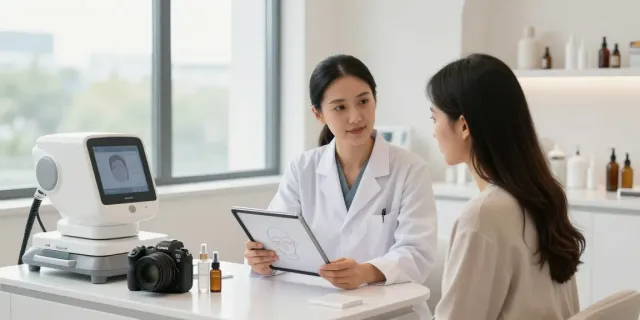
Before initiating DMSO use, consulting healthcare providers is essential, especially for children, pregnant women, or those with underlying health issues. Engaging with professionals can provide critical insights into individual treatment plans, potential interactions with other medications, and personalized dosages.
FAQs About DMSO Organic
Is DMSO Organic safe for skin application?
Yes, DMSO organic can be safe for topical use if applied correctly. It is vital to conduct patch tests and follow application guidelines to prevent skin irritation.
Can DMSO Organic be used in cooking or food?
DMSO is not approved for human consumption in food. Its primary purposes lie in medicinal and therapeutic applications.
What conditions can be treated with DMSO Organic?
DMSO organic may provide relief for inflammatory conditions, chronic pain, and certain skin ailments, but it’s advisable to consult a healthcare professional for tailored advice.
Where to purchase high-quality DMSO Organic?
High-quality DMSO organic can be purchased from reputable health stores, online retailers specializing in natural products, or directly from dedicated DMSO suppliers.
Does DMSO Organic interact with medications?
DMSO can enhance the absorption of other medications, potentially leading to stronger effects. It’s crucial to consult a healthcare provider regarding any possible interactions before use.