
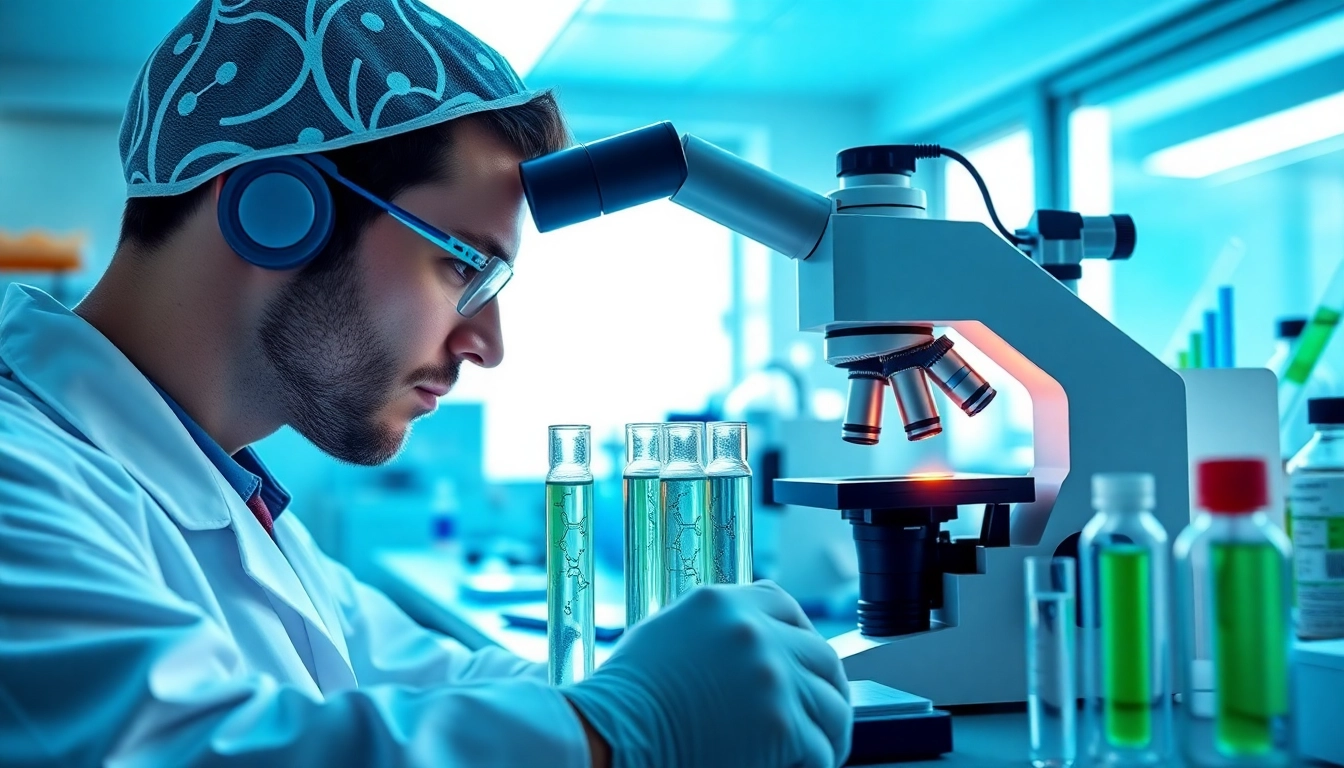
Understanding Peptides and Their Applications
What Are Peptides?
Peptides are short chains of amino acids linked by peptide bonds, serving as vital components for a variety of biological functions within cells. These molecules can be found naturally in the body or synthesized in a laboratory setting. Characteristically, a peptide comprises a sequence of two or more amino acids, with varying lengths and structures. The most straightforward classification divides peptides into oligopeptides (shorter chains of approximately 2-20 amino acids) and polypeptides (longer chains, exceeding 20 amino acids), highlighting their versatility in biological processes.
Common Uses of Research Peptides
In the realm of research and therapeutic applications, peptides play a pivotal role. They are frequently utilized in the development of medications, facilitating the design of targeted treatments for various conditions. For instance, certain peptides may act as hormones, neurotransmitters, or antibiotics, and are often employed in studies focusing on areas such as oncology, endocrinology, and immunology.
Moreover, peptides have ascended to prominence within the wellness and fitness industries. Many athletes turn to peptides for their potential benefits in muscle growth, fat loss, and recovery enhancement. However, it's crucial for researchers and practitioners alike to understand their unique properties and interactions with other compounds, particularly when working with sensitive solutions.
Importance of Peptide Stability
Stability is paramount when working with peptides, as their efficacy can be compromised by several factors including temperature, light, and moisture. Degradation can occur due to hydrolysis or oxidation, leading to the loss of biological activity and potential adverse effects during treatments. Maintaining peptide stability is essential not only for preserving their therapeutic effectiveness but also for ensuring safe application in research environments. Proper storage conditions, optimal handling, and utilization of appropriate diluents like bacteriostatic water for peptides can significantly enhance the longevity and potency of these valuable molecules.
The Function of Bacteriostatic Water
What Is Bacteriostatic Water?
Bacteriostatic water is a unique form of sterile water that includes specific preservatives, commonly benzyl alcohol, to inhibit the growth of bacteria. This distinctive feature makes bacteriostatic water especially valuable in various medical and laboratory settings, particularly for diluting or reconstituting medications, including peptides. Unlike standard sterile water, which cannot prevent bacterial contamination after a single injection, bacteriostatic water allows for multiple withdrawals due to its antimicrobial properties, thus providing longer usability for users and minimizing waste.
How It Preserves Peptide Integrity
When peptides are reconstituted or diluted, using the right solvent is crucial for maintaining their integrity and reactivity. Bacteriostatic water effectively extends the shelf life of these sensitive compounds by lowering the risk of microbial growth and contamination. This is particularly critical when peptides are stored in multi-dose vials, where repeated access can expose the solution to potential pathogens. By utilizing bacteriostatic water, researchers ensure that the peptides retain their intended potency and functionality throughout their storage and use, ultimately enhancing experimental accuracy and safety.
Safety and Handling Considerations
Handling bacteriostatic water requires adherence to strict safety protocols to avoid contamination and ensure efficacy. Before handling bacteriostatic water, users must ensure that their workspace is sterilized. Only sterile equipment, such as needles and syringes, should come into contact with the water to prevent any introduction of bacteria. Additionally, it is vital to observe proper storage conditions, as exposure to heat or sunlight could degrade the preservatives and compromise the water's effectiveness. Understanding how to handle and utilize bacteriostatic water safely ensures the integrity of research studies utilizing peptides.
Types of Peptide Solutions
Differences Between Bacteriostatic Water and Sterile Water
When selecting a solvent for peptide solutions, understanding the differences between bacteriostatic water and sterile water is essential. While both are sterile and suitable for reconstituting peptide solutions, they have distinct functionalities. Sterile water lacks preservatives, which necessitates single-use only to prevent contamination. Conversely, bacteriostatic water is designed for multi-use due to its added preservatives, allowing researchers to draw multiple doses over an extended period. This preservation ability facilitates efficient use in laboratories, clinical practices, and research settings where multiple applications are often necessary.
Choosing the Right Solution for Your Research Needs
Selecting the appropriate solvent is vital depending on specific research goals and peptides in use. For multi-use scenarios, bacteriostatic water is often the optimal choice, particularly for peptides prone to degradation. In these cases, the presence of preservatives extends usability, ensures sterile conditions, and ultimately supports more reliable research outcomes.
On the other hand, sterile water might be appropriate for single-use applications with certain peptides or compounds that do not require multiple withdrawals. Researchers should thoroughly evaluate the intended peptide use and determine which solution aligns best with their experimental design to maximize effectiveness and mitigate risks.
Impact of Solution Choice on Peptide Efficacy
The solution chosen for peptide reconstitution can greatly influence the efficacy and performance of the peptides. Using bacteriostatic water effectively maintains the biological activity of peptides, allowing them to function as intended in various applications, from laboratory tests to therapeutic modalities. Conversely, using inappropriate solvents may lead to degradation or ineffective dosages, ultimately compromising research validity.
Understanding the biochemical properties of the peptides being tested is crucial in making informed solvent choices. This knowledge can streamline research efforts while ensuring that peptides remain integral to their intended applications over time.
Storage and Preparation of Peptides
Best Practices for Storage
Storing peptides correctly is fundamental for maintaining their stability and potency. Peptides should be stored at low temperatures, ideally within the range of -20°C to -80°C, to prevent degradation. In addition, it is crucial to keep peptides in dark, opaque containers to protect them from light exposure, which may catalyze degradation reactions. Also, a vacuum-sealed bag or desiccant may provide further protection against moisture, which is known to destabilize peptide structures.
Ensuring that the containers are airtight will add another layer of protection against contamination, preserving peptide quality until ready for use. Regularly monitoring storage conditions can help catch any deviations early, maintaining the integrity of the peptide stocks.
Preparing Peptide Solutions Effectively
Preparation of peptide solutions demands precision and careful handling. When reconstituting peptides, it is essential to use the correct dilution ratio, factoring in the concentration and intended use. Begin by allowing the bacteriostatic water to reach room temperature, as this can help facilitate proper solubilization of the peptide.
When adding bacteriostatic water to the peptide vial, aim to direct the flow against the side of the vial to minimize foaming, allowing for gentle mixing. Once the peptide is fully dissolved, invert the vial a few times to homogenize the solution rather than shaking it vigorously, which can denature sensitive peptides.
Common Mistakes to Avoid
Avoiding common pitfalls is essential in peptide handling and preparation to ensure quality outcomes. One prevalent mistake is failing to allow peptides to thaw at room temperature before dissolution. This can hinder solubility. Another frequent error is using inappropriate diluents that do not maintain peptide stability, such as using tap water or other non-sterile liquids.
Also, be cautious about leaving vials uncapped or improperly sealed after use, as exposure to air can lead to contamination or degradation. Lastly, it's vital to keep detailed records of peptide lot numbers, preparation dates, and any storage conditions to track stability over time effectively.
FAQs About Bacteriostatic Water and Peptides
What is bacteriostatic water?
Bacteriostatic water is sterile water containing preservatives that inhibit the growth of bacteria, making it suitable for diluting or dissolving medications like peptides.
How does bacteriostatic water affect peptides?
Bacteriostatic water extends the shelf life of peptides by preventing contamination and degradation, ensuring they remain effective during research use.
Can I use regular water for preparing peptide solutions?
Using regular water risks contamination and reduces peptide efficacy; bacteriostatic water is essential for safe preparation.
How should I store bacteriostatic water?
Store bacteriostatic water in a cool, dry place away from sunlight, and keep it sealed to maintain sterility and integrity.
Is it safe to use expired bacteriostatic water?
Using expired bacteriostatic water is not recommended, as it may not effectively prevent bacterial growth, posing a risk to your peptides.