
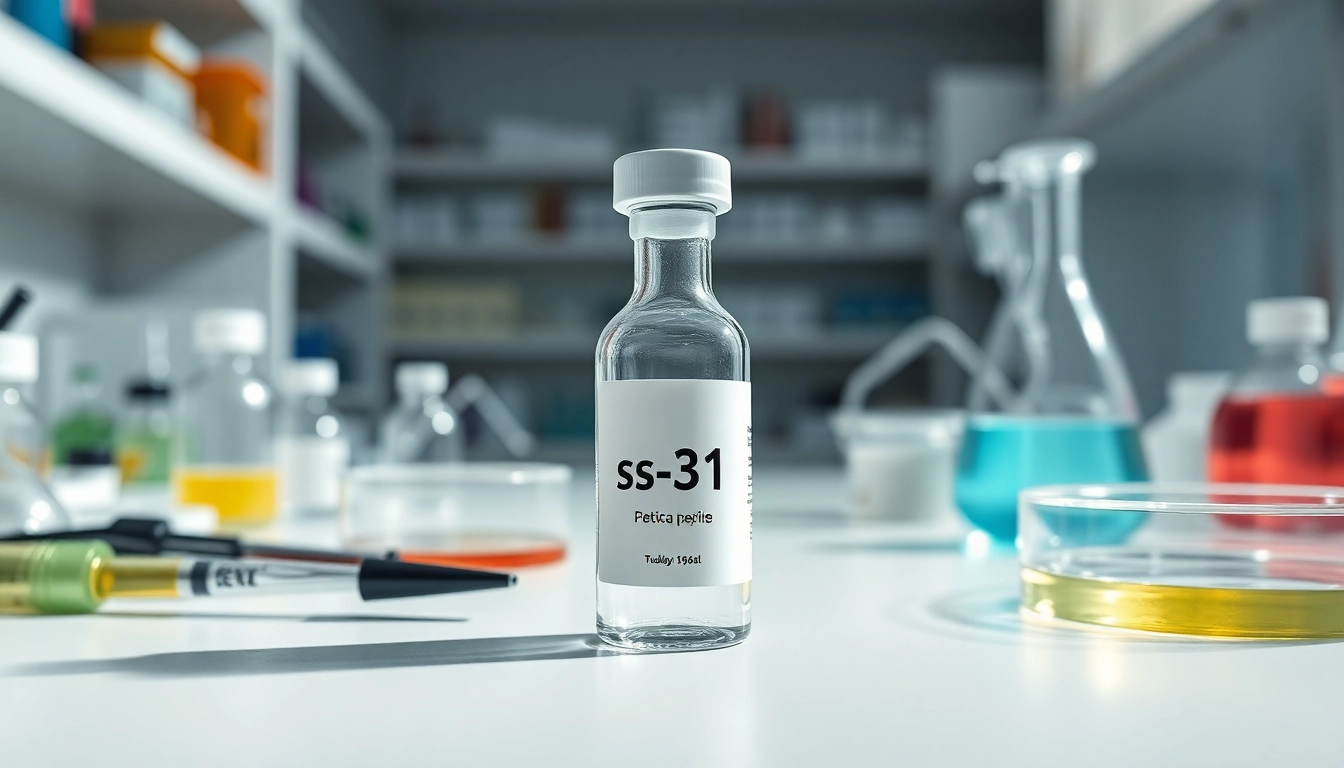
Introduction to Research Peptides
Research peptides are increasingly gaining attention in the fields of fitness, aging, and medicine due to their unique abilities to trigger biological responses in the body. As scientists delve deeper into peptide research, the possibilities for therapeutic and performance-enhancing effects grow, making it essential to understand these compounds. In this comprehensive guide, we’ll explore the foundation of research peptides, zooming in on SS-31, its mechanism of action, benefits, and safe purchasing practices. For those interested in exploring SS-31, you can ss-31 peptide buy options available online.
What Are Peptides?
Peptides are short chains of amino acids that serve as the building blocks of proteins. Typically, peptides consist of 2 to 50 amino acids and play critical roles in maintaining numerous physiological functions, including hormone production, immune response, and muscle repair. Naturally occurring peptides are produced in the body, but synthetic peptides, like those used in research, may mimic or enhance these functions with precision.
Types of Research Peptides
Research peptides can be primarily categorized into various groups based on their function, such as:
- Hormonal Peptides: Involved in regulating hormones, including growth hormone-releasing peptides.
- Signal Peptides: Facilitate cellular communication and influence metabolic processes.
- Immune Peptides: Enhance immune response and have potential therapeutic applications in diseases.
- Structural Peptides: Contribute to the structural integrity of tissues like collagen.
Each type serves a unique role in research and applications within health and medicine.
Importance of Quality in Peptide Research
Quality is paramount when it comes to research peptides. High-quality peptides ensure reliable results in research applications and clinical studies. Contaminated or substandard peptides can lead to misleading outcomes or adverse effects. Therefore, researchers must identify reputable suppliers that provide purity certificates and third-party laboratory testing results to guarantee product quality.
SS-31 Peptide: An Overview
Mechanism of Action
SS-31 (also known as Elamipretide) is a cell-permeable peptide designed to target and protect mitochondria. It works by binding to cardiolipin, a lipid found in the inner mitochondrial membrane, preventing oxidative damage, and promoting mitochondrial efficiency. This interaction is crucial as it addresses various cellular degeneration processes associated with aging and certain chronic diseases.
Potential Benefits
The benefits of SS-31 are gaining recognition in both clinical and athletic settings. Some of the key advantages include:
- Improved Mitochondrial Function: SS-31 enhances energy production in cells, potentially translating to increased stamina and endurance.
- Neuroprotective Properties: Research indicates its ability to protect neurons, which could have implications for neurodegenerative diseases.
- Reduced Oxidative Stress: By mitigating oxidative damage, SS-31 could aid in protecting tissues from inflammation.
- Potential Muscle Recovery: By optimizing muscle cell function, SS-31 may support quicker recovery after intense workouts.
Current Research Findings
Recent studies have shown promising results regarding the efficacy of SS-31. Clinical trials in animal models have demonstrated improvements in heart health, where SS-31 mitigated damage caused by ischemia. Similar patterns of protective effects have been noted in neural applications, suggesting a potential role in conditions like Alzheimer's and Parkinson’s diseases. The ongoing research aims to deepen our understanding of these effects across various biological systems.
Buying Research Peptides Safely
Identifying Reputable Sources
When considering buying research peptides, it's vital to identify reputable suppliers. Look for companies that:
- Provide detailed product descriptions, including peptide sequences.
- Display transparent pricing with no hidden costs.
- OFFER customer reviews and testimonials to establish trust.
- Have a well-defined return and refund policy.
Always research the company's background, customer service quality, and support for users in the community.
Understanding Lab Testing and Certifications
Lab testing is crucial in ensuring peptide quality. Reliable suppliers will have their products tested by third-party laboratories. Look for:
- Purity Certificates: Confirm the peptide’s purity to ensure efficacy.
- Potency Analysis: Guarantees appropriate dosing and effectiveness.
- Stability Testing: Indicates how the peptide performs over time.
Always ask for these documents before making a purchase to ensure you are getting a high-quality product.
Legal Considerations in Purchasing Peptides
Understanding the legal landscape around peptide purchasing is vital. Many peptides, including SS-31, are legal for research purposes but may not be approved for human consumption by regulatory bodies. It’s crucial to adhere to local regulations regarding the purchase, handling, and usage of peptides. Remember to consult legal outlines and guidelines specific to your location to avoid any legal missteps.
Best Practices for Using Research Peptides
Dosage Guidelines
The effectiveness of SS-31 largely depends on proper dosing. While exact dosages can vary based on research context and individual responses, a common guideline suggests starting with lower dosages to assess tolerance and gradually increasing as needed. Always refer to scientific literature for recommended dosage ranges and adjust based on specific research goals.
Cycling and Stacking Peptides
Cycling, or alternating periods of use and rest, can enhance the effectiveness of peptides while minimizing potential side effects. Stacking, or using several peptides with complementary mechanisms, can also maximize benefits. However, it’s essential to understand how different peptides interact and to research properly before combining them for optimal outcomes.
Monitoring Effects and Progress
Users should track their responses to SS-31 carefully. Employing tools like journals or apps to log changes in performance, recovery times, or health markers can provide valuable insights. Regular monitoring can help identify any adverse effects early and facilitate communication with health care professionals if necessary.
Frequently Asked Questions
1. What is the primary use of ss-31 peptide?
SS-31 is primarily used for enhancing mitochondrial function and protecting against oxidative stress, with applications in potential therapies for neurodegenerative diseases.
2. Are there any side effects associated with ss-31?
SS-31 generally has a good safety profile, but users may experience minor side effects like nausea or injection site reactions in some cases. Always consult with a healthcare professional.
3. How should ss-31 peptides be stored?
SS-31 should be stored in a cool, dry place away from light. Many suppliers recommend refrigeration after reconstitution to maintain potency.
4. Can ss-31 peptide be combined with other peptides?
Yes, SS-31 can be combined with other peptides, but it's crucial to research potential interactions and consult with research experts to ensure compatibility and safety.
5. What research supports the effectiveness of ss-31?
Research indicates that SS-31 protects against mitochondrial dysfunction and oxidative damage, showing promise in studies related to heart and neural health in animal models.