Understanding Bed Bug Infestations
Bed bugs are small, parasitic insects that feed on the blood of humans and animals. They can create a significant nuisance within homes and shared living spaces, leading to discomfort and anxiety among those affected. Effective bed bug removal requires a comprehensive understanding of their behavior, signs of infestation, and methods for removal. In this comprehensive guide, we will delve into the world of bed bugs to provide the knowledge you need to tackle infestations head-on.
Identification of Bed Bugs
Recognizing bed bugs is the first step in managing an infestation. Adult bed bugs are approximately 5-7 mm in length and have a reddish-brown color, resembling an apple seed. Nymphs, or young bed bugs, are smaller and lighter in color. Understanding the physical characteristics of bed bugs enables quicker identification, which is crucial in staging an effective response.
Life Cycle and Habits of Bed Bugs
Bed bugs go through several life stages: egg, nymph, and adult. A female bed bug can lay up to 200 eggs within her lifetime, leading to rapid population growth. The nymphs go through five molts, growing into adulthood in about five weeks under optimal conditions. Bed bugs are nocturnal and typically hide in cracks and crevices during the day, making them challenging to detect.
Common Signs of Infestation
The first sign of a bed bug infestation is often the presence of bite marks on the skin, which can appear as red, itchy welts. Other indicators include:
- Blood stains on bedding or upholstery.
- Dark, tiny spots of bed bug excrement.
- Empty egg casings and shed skins.
- A sweet, musty odor in heavily infested areas.
Being proactive and vigilant in monitoring these signs can help in early detection and intervention.
Preparing for Bed Bug Removal
Before taking action against bed bugs, preparation is crucial for enhancing the effectiveness of any removal method. Properly preparing your home can streamline the treatment process and improve the chances of complete eradication.
Effective Pre-treatment Cleanliness Steps
Prior to treatment, decluttering your space can make a significant difference. Here are steps to take:
- Clean and vacuum affected areas, such as bedrooms and furniture.
- Remove and wash bedding, linens, and any clothing at high temperatures.
- Seal off items that cannot be washed in plastic bags.
- Consider using a steam cleaner on mattresses and furniture.
By eliminating potential hiding places and reducing clutter, you make it easier to target bed bugs during the removal process.
Necessary Tools for Bed Bug Removal
You may need several tools and materials to effectively remove bed bugs. Essential items include:
- High-efficiency particulate air (HEPA) vacuums.
- Steam cleaners for deep cleaning and extermination.
- Bed bug sprays or powders, where applicable.
- Interceptors to trap bed bugs and monitor populations.
Having the right tools at hand can foster a more thorough and lasting treatment experience.
Choosing Between DIY and Professional Removal
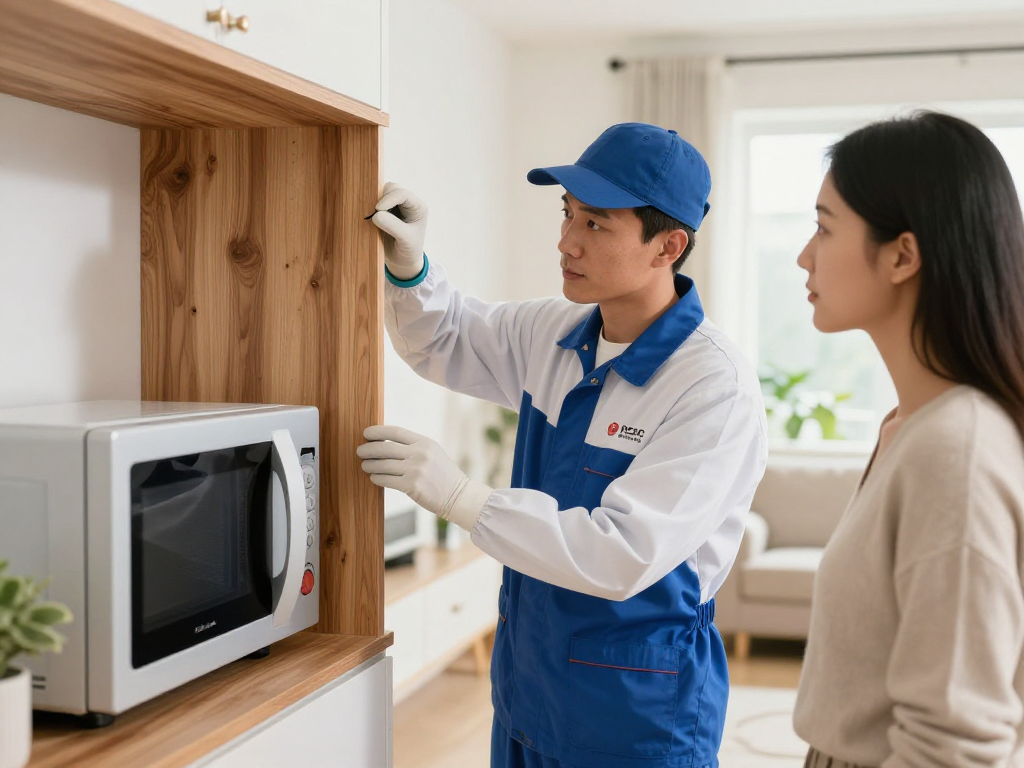
Deciding to manage a bed bug infestation yourself or enlist the help of professionals can be daunting. While DIY methods can be effective for minor infestations, professional services often provide expertise and a broader array of treatment options. Here are some considerations:
- DIY methods are often more cost-effective but require diligence, time, and effort.
- Professional exterminators have access to advanced resources and techniques, ensuring thorough removal.
- Evaluate the severity of your infestation and your comfort level with DIY methods.
Methods of Bed Bug Removal
There are various methods for eliminating bed bugs. The most suitable approach often depends on the specific circumstances of the infestation.
Heat Treatment for Bed Bugs
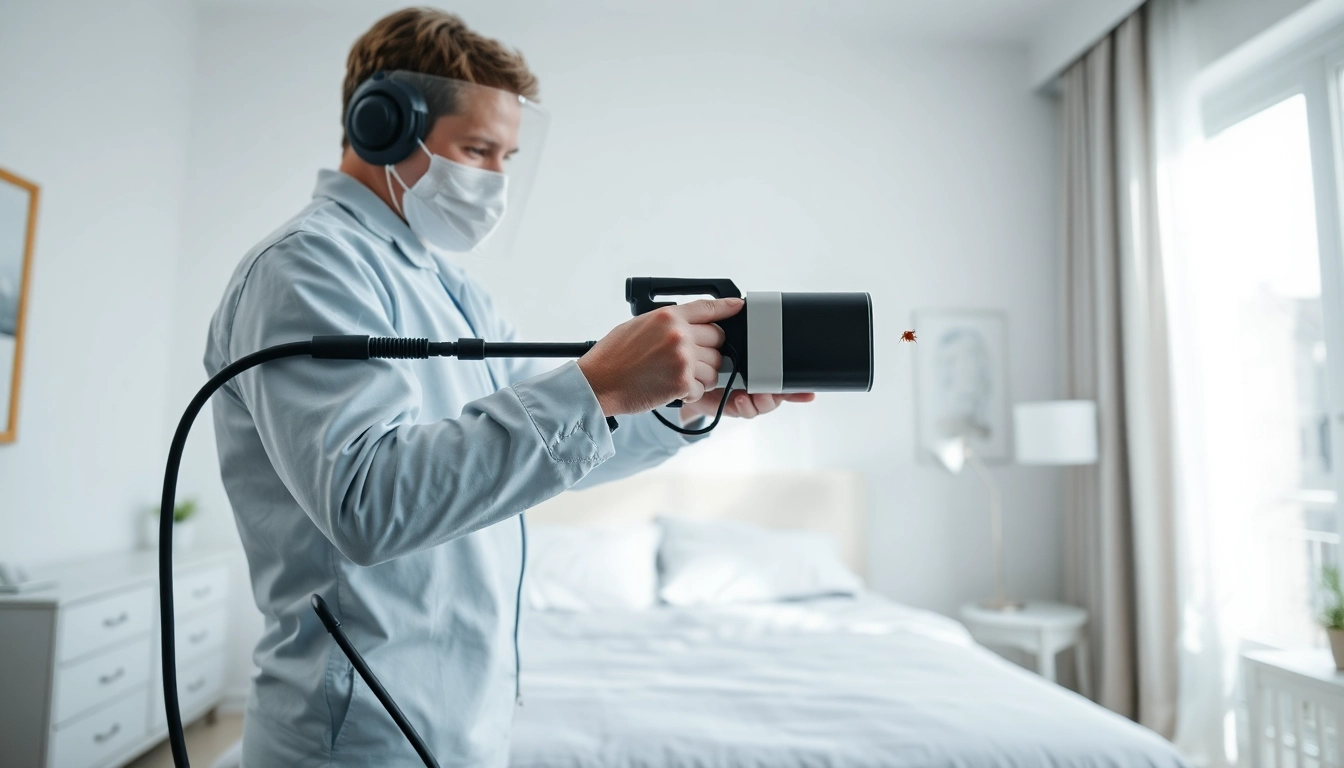
Heat treatment involves raising the temperature of a room or specific objects to a level that is lethal to bed bugs, typically around 120°F (49°C). This method is highly effective because it can penetrate into all areas where bed bugs hide, including furniture and walls. Key points to consider include:
- Combine heat treatment with other methods for effective results.
- Ensure proper ventilation to avoid heat damage to surfaces and materials.
- This method may require professional service for large scale applications.
Chemical Treatments and Safety Guidelines
For those choosing chemical treatments, it’s vital to follow manufacturer instructions rigorously. Some safety tips include:
- Always wear protective gear like gloves and masks when applying chemical solutions.
- Avoid using multiple products simultaneously, as this can lead to harmful reactions.
- Ensure pets and children are out of treated areas until it is safe to return.
Using chemicals responsibly will mitigate hazards while remaining effective in controlling pests.
Integrated Pest Management Approach
An Integrated Pest Management (IPM) approach combines various methods and focuses on long-term prevention of pests through behavior modification, biological control, and environmental adjustments. Elements include:
- Monitoring and identifying pests accurately.
- Implementing habitat modification strategies to reduce conducive conditions for bed bugs.
- Utilizing both chemical and non-chemical options to minimize risks.
Employing IPM strategies can lead to successful, sustainable solutions against bed bugs.
Post-removal Strategies for Bed Bug Prevention
Once you’ve successfully removed bed bugs, adopting preventive measures is crucial for avoiding future infestations. These strategies can help ensure that your home remains bed bug-free.
Best Practices for Home Maintenance
Consistent home maintenance is key to preventing bed bugs. Consider the following practices:
- Regularly vacuum and clean your home, especially areas where pets sleep.
- Inspect second-hand furniture before bringing it into your home.
- Use protective covers on mattresses and box springs to deter bed bugs.
Continual awareness and maintenance can significantly reduce the risk of future infestations.
Regular Inspections and Monitoring
Implementing a routine inspection schedule allows for the early detection of bed bugs. Keep an eye on:
- Mattresses, bedframes, and headboards for signs of bed bugs.
- Cracks and crevices in walls and floors.
- Interceptors under bed legs to catch any wandering bed bugs.
Regular vigilance supports peace of mind and proactive control.
Educating Household Members
Educating all household members about the identification and prevention of bed bugs is essential. Strategies may include:
- Conducting workshops or discussions on recognizing signs of bed bugs.
- Sharing resources on effective prevention practices.
- Encouraging open communication about potential infestations.
Well-informed individuals can collectively contribute to maintaining a bed bug-free environment.
FAQs on Bed Bug Removal
What are the costs associated with bed bug removal?
The costs for bed bug removal can vary based on severity and area treated. On average, expect to pay between $200 to $1,500 for professional treatment. Factors influencing cost include the size of the infestation and the methods used.
How can I tell if I have a bed bug problem?
Signs of a bed bug problem include itchiness or bite marks on skin, blood stains on sheets, and small dark spots (excrement) on bedding. Regular inspections can aid in early detection.
Are home remedies effective against bed bugs?
Some home remedies may provide temporary relief but are often not sufficient for complete eradication. It’s advisable to use them in conjunction with professional treatments for best results.
How long does the removal process take?
The removal process can take anywhere from a few hours to several weeks depending on infestation severity. Factors such as treatment method and thoroughness of preparation also impact duration.
What can I do to prevent future infestations?
Preventive measures include regular cleaning, inspecting items before bringing them inside, and using protective covers on mattresses. Education about bed bug signs is also crucial in prevention.