Understanding Pharmaceutical Packaging Services
What Are Pharmaceutical Packaging Services?
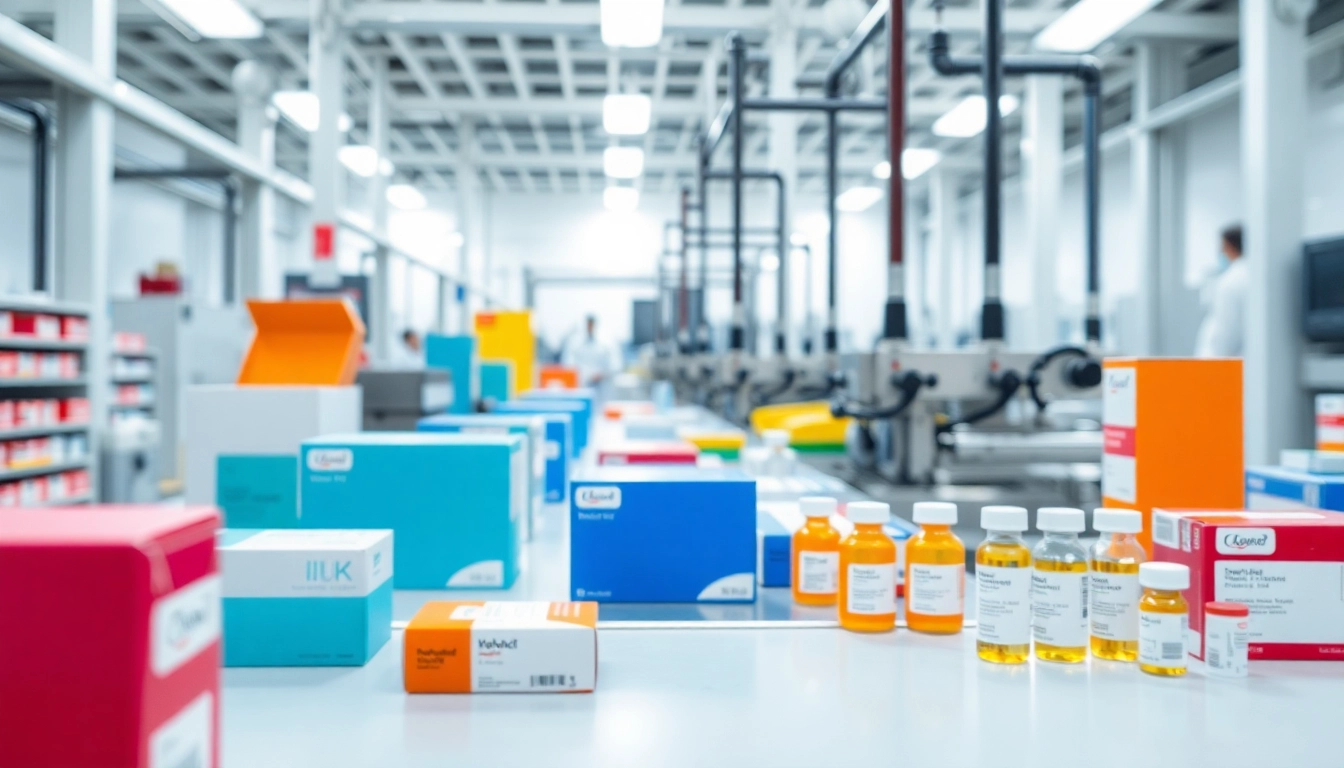
Pharmaceutical packaging services encompass a broad spectrum of activities aimed at preparing pharmaceutical products for distribution and end-user consumption. These services ensure that various medication types, such as tablets, capsules, and syrups, are safely and securely packaged to maintain their integrity, efficacy, and safety throughout their lifecycle. Effective pharmaceutical packaging services are crucial in protecting these medicines from environmental factors like humidity, light, and physical damage. The services include designing packaging formats, choosing suitable materials, and adhering to regulatory guidelines to ensure compliance with health standards.
Key Components of Pharmaceutical Packaging
Pharmaceutical packaging comprises multiple components that work together to ensure product safety and effectiveness. Key components include:
- Primary Packaging: This directly encases the pharmaceutical product, such as bottles, blister packs, and vials.
- Secondary Packaging: This packaging serves to group primary packages for protection and marketing, including boxes and cartons.
- Tertiary Packaging: This encompasses larger units used for shipping and storage, such as pallet loads.
- Labeling: Proper labeling provides essential information about dosage, usage, warnings, and expiration dates, ensuring safety and compliance.
- Serialization: This unique identification system helps in tracing pharmaceuticals through the supply chain to reduce counterfeiting.
Importance of Compliance in Pharmaceutical Packaging Services
Compliance with industry regulations is paramount in pharmaceutical packaging services. Regulatory bodies like the FDA impose stringent guidelines to ensure that all packaging meets safety and quality standards. Non-compliance can lead to product recalls, legal repercussions, and a loss of consumer trust. Packaging providers must stay updated on evolving regulations to guarantee that their processes align with national and international standards.
Types of Pharmaceutical Packaging Services Available
Primary Packaging Solutions for Pharmaceuticals
Primary packaging solutions are tailored to protect and contain pharmaceutical products directly. The choice of primary packaging influences product stability, shelf life, and patient compliance. Notable primary packaging solutions include:
- Blister Packs: Ideal for single-dose medications, these packs protect against moisture and air.
- Bottles: Used for liquids and solid forms, bottles can be made from glass or plastic.
- Vials: Common for injectable pharmaceuticals, vials come in various sizes and are often fitted with seals or caps to ensure sterility.
- Pre-filled Syringes: Offer convenience in administration, especially for biologics and injectables.
Secondary Packaging Services
Secondary packaging is essential for organizing primary packages and providing additional protection during transport and storage. These services ensure that products are not only secure but also presented attractively. Secondary packaging solutions may include:
- Boxes and Cartons: Provide a stable structure for containing multiple primary packages.
- Labels and Inserts: Deliver crucial usage information and marketing material while ensuring compliance with regulatory requirements.
- Shrink Wrapping: Used for bundling products, enhancing security, and reducing theft during transit.
Specialized Packaging Needs for Cold Chain Products
Cold chain products, which require temperature control throughout their distribution, demand specialized packaging solutions. Such products include vaccines and certain biologics that may lose efficacy if exposed to temperature fluctuations. Effective cold chain packaging management involves:
- Temperature-Controlled Packaging: Utilizing insulated containers and temperature loggers to monitor conditions.
- Real-Time Tracking: Implementing monitoring systems that provide updates on temperature conditions during transit.
- Mitigation of Risks: Employing strategies to address potential temperature excursions that could compromise product integrity.
Choosing the Right Pharmaceutical Packaging Service Provider
Criteria for Selecting a Packaging Partner
Selecting the right pharmaceutical packaging service provider is fundamental to ensuring product safety and compliance. When evaluating potential partners, consider the following criteria:
- Experience and Expertise: Look for providers with a proven track record in the pharmaceutical industry.
- Regulatory Compliance: Ensure they are knowledgeable and fully compliant with all relevant regulations and standards.
- Technology and Innovation: Assess the technologies they use for packaging efficiency and precision.
Evaluating Operational Capabilities of Providers
In addition to expertise, operational capabilities are critical in assessing a packaging partner. Factors to consider include:
- Production Capacity: Determine if the provider can meet your volume demands within your required timelines.
- Quality Control Measures: Inspect their quality management systems to ensure they uphold product integrity and consistency.
- Flexible Solutions: Look for providers that can adapt their services to meet your unique packaging needs.
Importance of Client Testimonials and Case Studies
Client testimonials and case studies provide insights into a packaging partner's reliability and performance. They offer valuable evidence of successful projects and the provider’s ability to meet specific challenges. Be sure to request and review examples that highlight:
- Demonstrated success in previous pharmaceutical packaging projects.
- Feedback from clients regarding communication, responsiveness, and problem-solving abilities.
Emerging Trends in Pharmaceutical Packaging
Sustainability in Packaging Services
One of the most pressing trends in pharmaceutical packaging is sustainability. Companies are increasingly focusing on reducing their environmental impact by:
- Utilizing recyclable and biodegradable materials.
- Designing packaging that minimizes waste and optimizes space during transport.
These initiatives not only lead to a reduced carbon footprint but also respond to the growing consumer demand for eco-friendly practices.
Technological Innovations Influencing Packaging Solutions
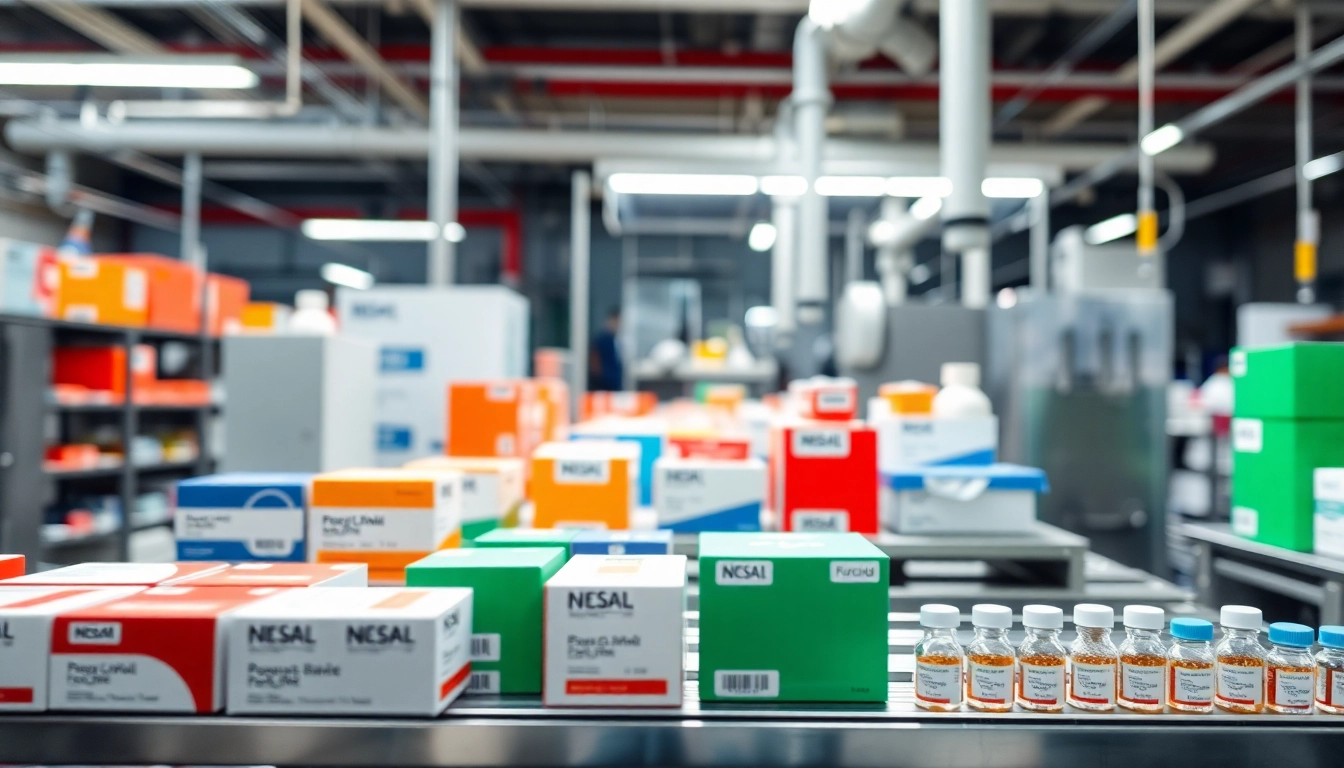
Technological advancements are revolutionizing the pharmaceutical packaging landscape. Notable innovations include:
- Smart Packaging: Integration of sensors and indicators that provide real-time data on product conditions.
- Automated Packaging Solutions: Streamlining production processes to enhance efficiency and accuracy in packaging.
- Blockchain Technology: Improving traceability and transparency throughout the supply chain.
Impact of Regulatory Changes on Packaging Strategies
As regulations continually evolve, pharmaceutical packaging services must adapt to new compliance requirements. Awareness of recent regulatory changes can affect your packaging strategies dramatically by:
- Influencing materials used in packaging.
- Changing labeling requirements.
- Modifying serialization practices.
FAQs about Pharmaceutical Packaging Services
What are the examples of pharmaceutical packaging?
Common examples include blister packs for tablets, vials for injectables, bottles for liquids, and ampoules for sterile liquids.
How do packaging services ensure product safety?
Safety is ensured through compliance with regulations, use of high-quality materials, validated processes, and proper labeling for user information.
What is the role of labeling in pharmaceutical packaging?
Labeling provides essential information about dosage, usage, expiration dates, and safety warnings, ensuring compliance and safe consumer use.
How do costs vary for different packaging services?
Costs vary based on material choice, packaging complexity, regulatory requirements, and production volume needed by the pharmaceutical company.
What technologies are used in modern pharmaceutical packaging?
Modern packaging employs technologies like automation, smart sensors for condition monitoring, and serialization for traceability and compliance.